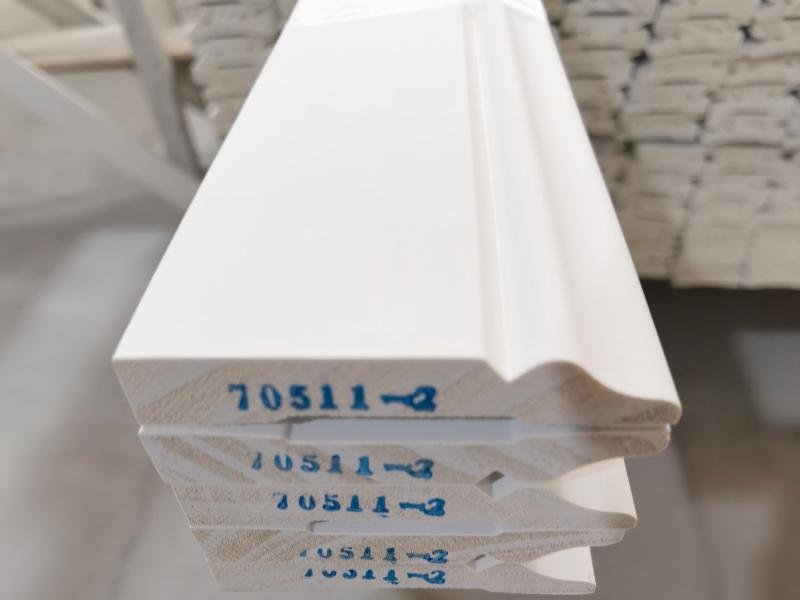
Custom CNC Profiles: Made to Your Drawing, Not Off a Shelf
Send us a DWG or DXF cross-section drawing and our CNC team will quote tooling, confirm a sample, and move to volume production -- whether it's a new design or a legacy profile you need reproduced.
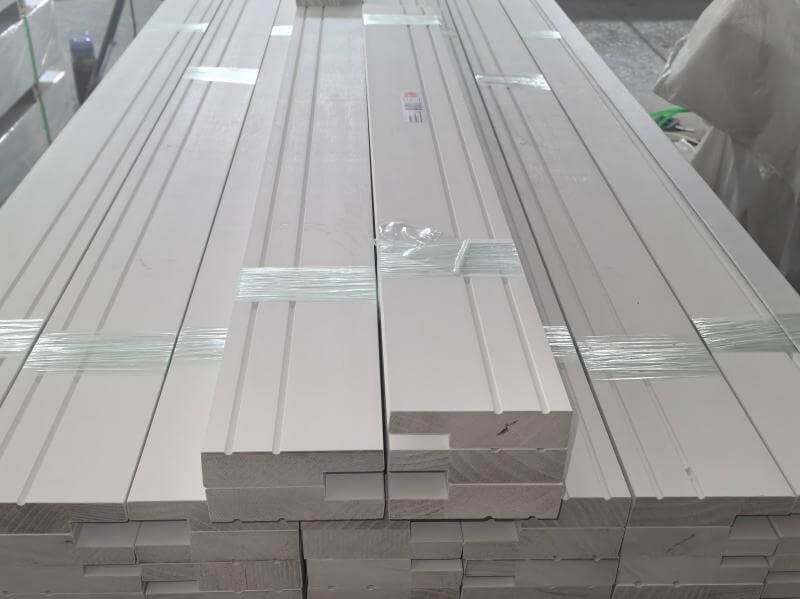
How Custom Profile Development Works
Typical development timelines vary with profile complexity -- we'll confirm a schedule once we've reviewed your drawing.
Submit Drawing
Send us your DWG or DXF cross-section file along with your target quantity and substrate preference.
Tooling Feasibility & Quote
Our CNC engineering team reviews the geometry, confirms tooling approach, and provides a quotation covering tooling and unit pricing.
Sample Confirmation
We produce a physical sample for your approval. Dimensional and surface checks are completed before shipping the sample for your sign-off.
Volume Production
Once the sample is approved, we move to full production runs with IQC, IPQC and FQC quality checkpoints at every stage.
CNC Capabilities
-
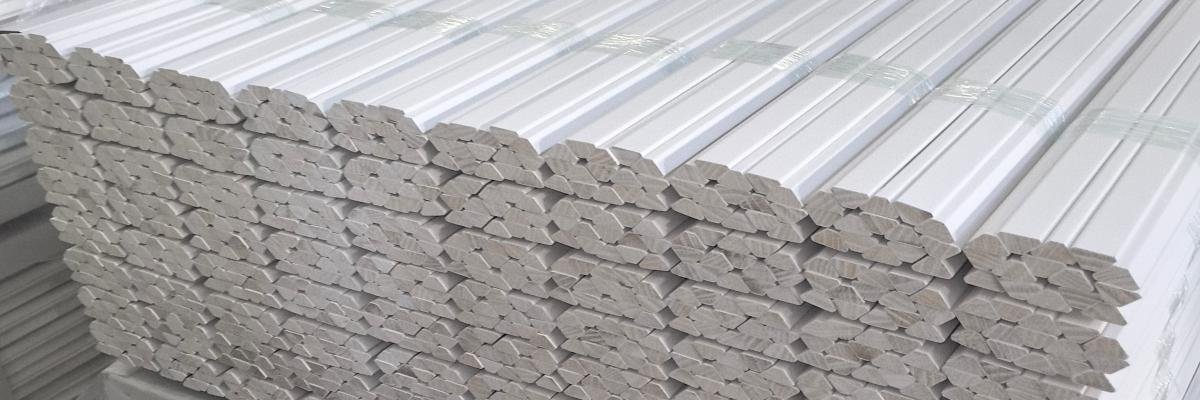
Precision Profile Milling for Complex Cross-Sections
Our CNC equipment handles complex, multi-radius cross-section geometries -- including ogee, cove, bead, and compound profiles -- with consistent dimensional accuracy across production runs.
-
Four Substrate Options
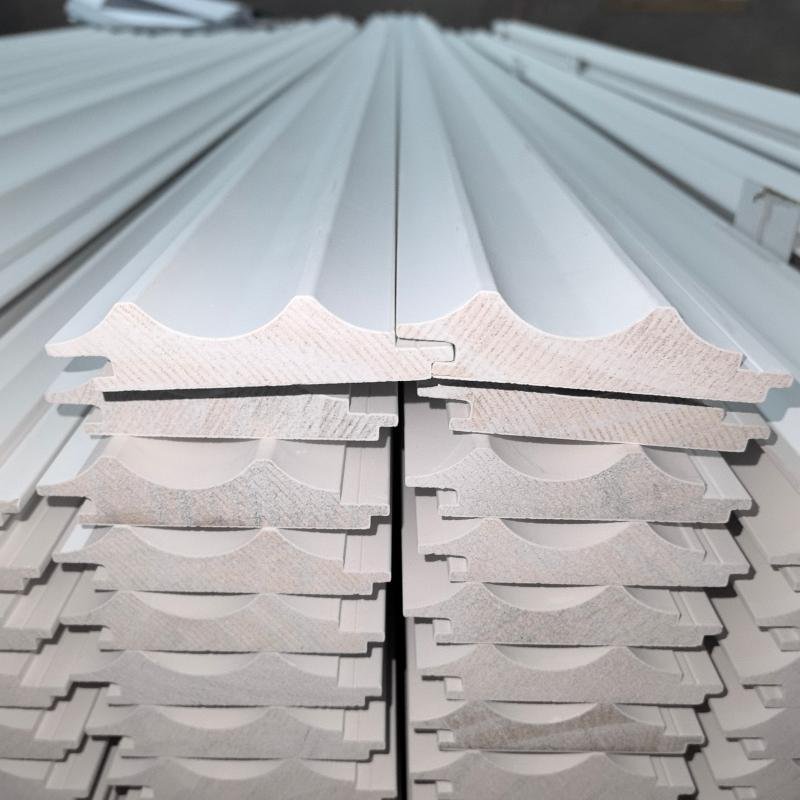
Custom profiles are available in solid wood, finger-jointed, MDF and veneered substrates -- matched to your application, finish requirement and target market specification.
-
Existing Profile Library for Faster Matching
We maintain a library of over 300 previously developed profiles -- including discontinued originals -- which can accelerate tooling and sampling when your drawing closely matches an existing geometry.
-
Mixed-Container Loading for Custom SKUs
Custom profiles can be combined with standard product lines in a single container -- 20 to 60 SKUs per load -- reducing per-unit freight cost for buyers sourcing across multiple product types.
A note on scope: finger-jointed substrates are not suitable for clear or transparent lacquer finishes where joint lines would be visible. We flag substrate suitability during the tooling feasibility stage, before any tooling cost is committed.
Available Substrates for Custom Profiles
Solid Wood
Best for painted, stained or clear-finish applications requiring natural grain character.
View ProductFinger-Jointed
Dimensionally stable option for painted finishes. Not suitable for clear or transparent lacquer applications.
View ProductMDF
Cost-effective for interior protected applications with painted finish. Not intended for exterior or high-moisture environments.
View ProductVeneered
Natural or engineered wood veneer over engineered core -- suitable where grain appearance matters but solid wood cost is a constraint.
View Product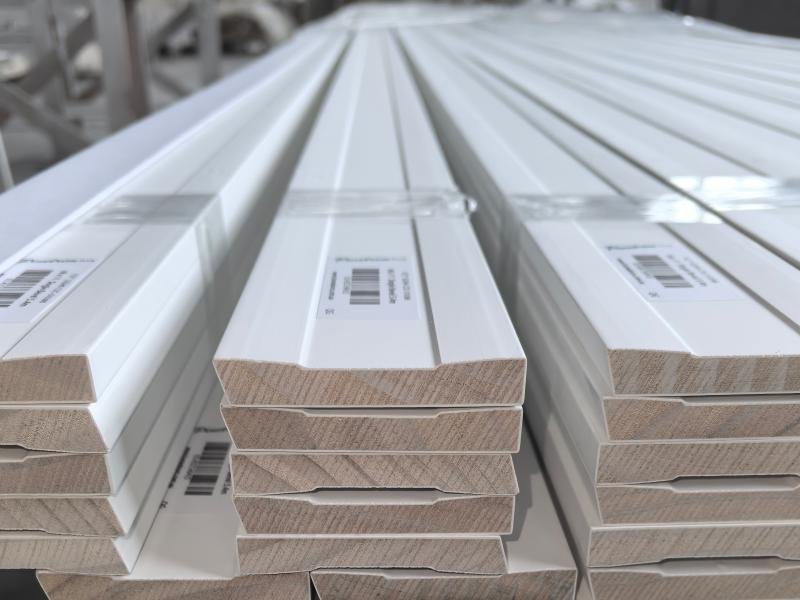
Reproducing a Discontinued Profile?
If your original profile is out of production because a supplier closed or a tool was lost, our discontinued moulding reproduction service may be a faster path than a full custom development cycle.
We've reproduced over 300 discontinued profiles to date -- working from physical samples, photographs, or archived drawings. Where a geometry already exists in our library, we can move directly to sample confirmation without starting tooling from scratch.
Common Scenario: Historic Renovation
North American renovation projects often require matching trim profiles that have been discontinued for decades. We work from physical samples or measured drawings when no digital file exists.
Explore Other Product Lines
Custom CNC profiles complement our standard product range. Browse the full catalogue or explore solutions matched to your sourcing model.
Have a Cross-Section Drawing Ready?
Share your DWG or DXF file with our CNC team. We'll review the geometry, confirm tooling feasibility, and outline next steps -- no commitment required at the enquiry stage.