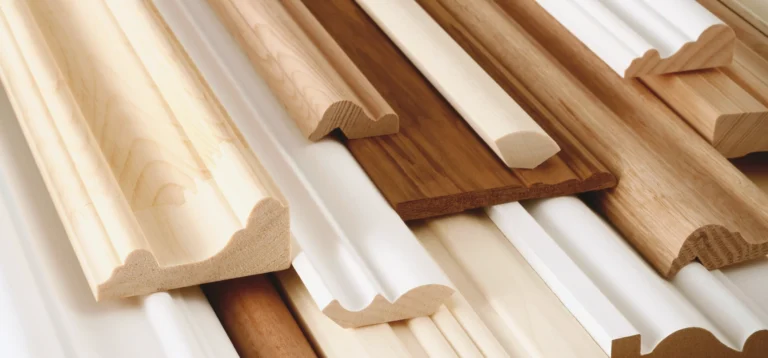
Are you struggling to find a consistent, high-quality supplier for your trim moulding needs? The challenge of sourcing diverse, quality, and cost-effective trim solutions for your B2B market is real, and it can impact project timelines and budgets.
Mastering wholesale trim moulding procurement means understanding product categories, material performance, crucial quality standards, and leveraging global sourcing advantages to secure reliable, high-quality, and cost-effective supply chains.
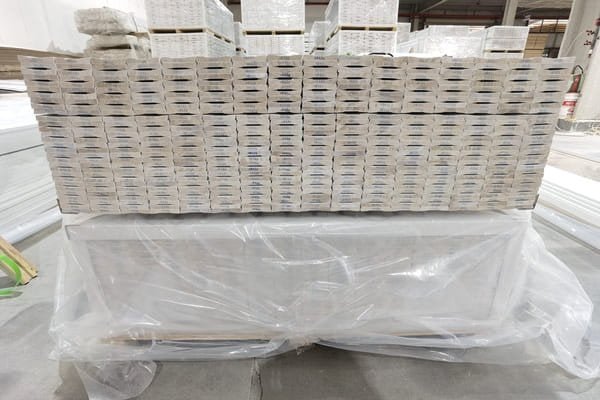
I've been in this business for a long time, and I've seen firsthand how important it is to get this part right. It's not just about buying wood; it's about making sure your customers get exactly what they need, every time, without any headaches. Come with me as I share my insights on how to streamline your procurement process, ensuring you always have the best trim moulding at your fingertips.
What Are the Essential Categories of Trim Moulding for Wholesale Buyers?
Do you sometimes feel overwhelmed by the sheer variety of trim moulding options available? Trying to stock everything your clients might need, from subtle crown moulding to sturdy baseboards, can be a real headache if you don't know the core categories.
The essential categories of trim moulding for wholesale buyers include crown, baseboard, casing, chair rail, and panel mouldings, each serving distinct functional and aesthetic purposes in architectural design and requiring a diverse inventory to meet market demands.
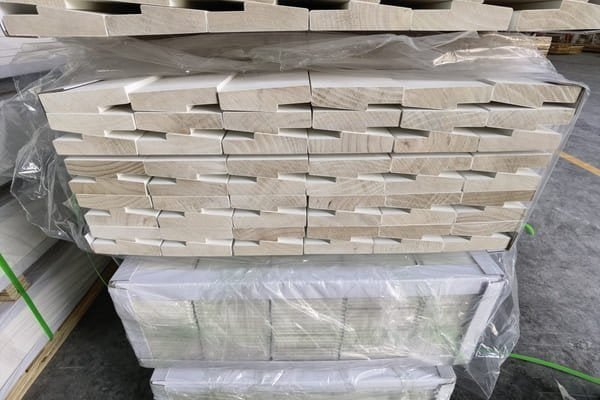
From my experience, understanding these categories is the first step to smart procurement. Each type of moulding plays a vital role in completing a space, offering both protection and decorative flair. Let's break down these foundational categories and why they are so important for your inventory.
What is Crown Moulding, and Why Do Your Clients Need It?
Crown moulding is installed where a wall meets the ceiling. It adds an elegant finish to a room. Your clients will use it to hide imperfections and to give a more polished look. There are many styles and sizes available. These mouldings suit different room designs, from classic to modern.
Why is Baseboard Moulding a Must-Have in Every Home?
Baseboard moulding is installed at the bottom of a wall, where it meets the floor. It protects the wall from bumps and scuffs. It also covers the gap between the wall and the floor. Common profiles range from simple to ornate. Material choice for baseboards is important. They need to be durable.
What Role Does Casing Moulding Play Around Doors and Windows?
Casing moulding goes around doors and windows. It defines these openings. It also covers the gap between the frame and the wall. Casing adds to the aesthetic appeal of an interior. It also offers protection to the edges of the frames.
How Does Chair Rail Moulding Protect and Decorate Walls?
Chair rail moulding is installed horizontally on walls. Usually it's about one-third of the way up from the floor. Its original purpose was to prevent chairs from scuffing walls. Now, it is also used for decorative purposes. It can divide a wall into distinct sections for paint or wallpaper.
What Are Panel Moulding and Wall Trim Used For?
Panel moulding and wall trim are used to create decorative panels on walls. They add texture and architectural interest. These mouldings can make a plain wall look more sophisticated. They offer great versatility for custom designs.
What Are Some Specialty Trims Your Customers Might Ask For?
Beyond the main categories, there are specialty trims. These include picture rail, shoe moulding, and cove moulding. Picture rail lets people hang art without damaging walls. Shoe moulding covers small gaps at the base of baseboards. Cove moulding is similar to crown but with a simpler curve. Having these available allows you to offer complete solutions to your customers.
Overview of Essential Trim Moulding Categories
| Category | Primary Function | Common Placement | Key Considerations for Buyers |
|---|---|---|---|
| Crown Moulding | Decorative transition, hides gaps | Ceiling-wall intersection | Style variety, size to match ceiling height, material flexibility |
| Baseboard | Protects wall base, covers floor gap | Wall-floor intersection | Durability, height, ease of cleaning, material for traffic |
| Casing | Enhances doors/windows, covers gaps | Around doors and windows | Profile design, material to match overall trim |
| Chair Rail | Protects walls, decorative division | Mid-wall (approx. 36" high) | Impact resistance, aesthetic integration |
| Panel Moulding | Decorative wall enhancement | Walls (decorative panels) | Design versatility, glue application, pre-finished options |
| Specialty Trims | Specific decorative/functional needs | Various | Niche applications, material compatibility |
This table helps sum up the main types. Each one offers different things. You need to know them all to serve your clients well.
How Do Material Choices Impact the Performance and Aesthetics of Trim Moulding?
Have you ever wondered why one type of trim stands up better in a humid bathroom, while another looks exquisite in a formal living room? The material you choose for trim moulding is not just a detail; it dictates how it performs, how long it lasts, and how it looks.
Material choices directly impact trim moulding's performance by influencing its durability, moisture resistance, stability, and ease of installation, while also defining its aesthetic through natural grain, texture, and suitability for various finishes like paint or stain.
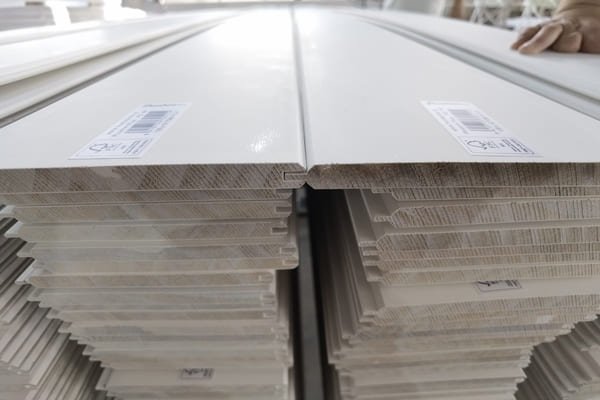
I've seen projects succeed or fail based on this one decision. Picking the right material is crucial. It changes everything from how easy it is to work with to how long it will last in your client's home. Let me walk you through the most common materials and what each one brings to the table.
What are the Pros and Cons of Solid Wood Trim?
Solid wood trim is very popular. It comes from real trees like pine, oak, maple, or poplar. Each wood type has its own look and feel. Oak is strong and has a clear grain. Pine is softer and takes paint well. Maple is smooth. Poplar is good for painting. Solid wood looks natural and can be stained to show its beauty. It also lasts a very long time if cared for. But, solid wood can be more costly. It can also change shape if it gets too wet or too dry. This is why moisture content is important.
Why is MDF Trim a Smart Choice for Many Projects?
MDF stands for Medium-Density Fiberboard. It is made from wood fibers pressed together with resin. MDF trim is cost-effective. It has a very consistent surface. This makes it ideal for painting. It does not have knots or grain, so it gives a smooth finish. MDF is also very stable. It does not warp or crack as easily as solid wood. However, MDF does not do well with moisture. It can swell if it gets wet. It is also not as strong as solid wood against hard impacts.
When Should You Use Finger-Jointed Pine Trim?
Finger-jointed pine trim is a mix of good things. It is made from smaller pieces of pine wood. These pieces are joined together with strong, interlocking cuts (finger joints). This process uses wood that might otherwise be wasted. This makes it more affordable. It keeps the strength of solid wood but reduces warping. Finger-jointed pine is often pre-primed. This makes it ready for painting. It is a good choice when you want the benefits of wood at a lower cost.
What About Other Materials Like PVC or Polyurethane for Trim?
There are other materials for trim, too. PVC (Polyvinyl Chloride) trim is made from plastic. It is very resistant to moisture. This makes it great for bathrooms or outside use. It will not rot, warp, or get bugs. Polyurethane trim is a type of foam. It can be molded into very detailed designs. It is also light and resists moisture. Both PVC and polyurethane are usually chosen for specific needs. PVC is for wet areas. Polyurethane is for ornate details that would be hard to carve from wood. These materials offer solutions where wood might not be the best option.
Material Comparison for Trim Moulding
| Material | Advantages | Disadvantages | Best Use Case |
|---|---|---|---|
| Solid Wood | Natural beauty, durable, stainable | Higher cost, moisture sensitive, can warp | High-end finishes, natural look, areas with stable humidity |
| MDF | Cost-effective, consistent, smooth for paint | Poor moisture resistance, less impact durable | Painting projects, interior dry areas |
| Finger-Jointed Pine | Cost-effective, stable, easy to paint | Limited for staining, less dense than solid | Primed trim, painting, cost-sensitive projects |
| PVC | Excellent moisture resistance, no rot | Can look less natural, less rigid | Bathrooms, exteriors, laundries, high-humidity zones |
| Polyurethane | Detailed designs, lightweight, moisture res. | Can be more brittle, specific paint needs | Intricate profiles, decorative accents, exterior decorative |
Picking the right material is very important. It affects how long the trim lasts. It also affects how much it costs and how it looks. Think about where the trim will be used. Consider your client's budget and desired finish.
What Quality Certifications and Environmental Standards are Crucial for Trim Moulding?
Do you sometimes worry if the materials you're procuring meet all the necessary safety and sustainability standards? In today's market, it's not enough for trim moulding to just "look good"; it must also comply with quality benchmarks and environmental regulations.
Crucial quality certifications for trim moulding include dimensional accuracy, consistent surface finish, and controlled moisture content to ensure stability and proper installation; essential environmental standards are FSC for sustainable forestry and CARB II/EPA TSCA Title VI for formaldehyde emissions, especially critical for MDF products.
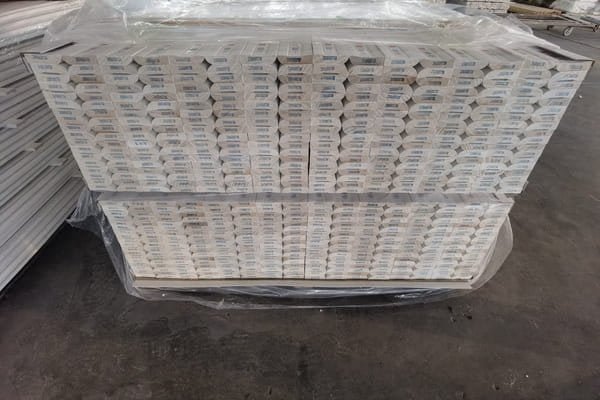
I've learned that overlooking these certifications can lead to serious problems down the line. It can mean product failures, costly returns, or even legal issues. I always make sure that what I bring in meets global standards. Let me explain these important checks and why they matter for your business and your clients.
Why is Dimensional Accuracy So Important for Trim Moulding?
When I talk about dimensional accuracy, I mean that the trim pieces are made to exact sizes. This includes their width, thickness, and length. If the dimensions are off, even a little, it causes problems. The trim will not fit together smoothly. Gaps will appear. Installers will have to spend more time cutting and adjusting. This adds to labor costs. It makes the final product look bad. Good quality trim has very tight tolerances. This makes for easy installation and a clean finish.
What Does a Good Surface Finish Mean for Trim Moulding?
The surface finish is how the trim looks and feels. A good surface finish means it is smooth and free from defects. There should be no rough spots, splinters, or machine marks. If the trim is going to be painted, it needs to be very smooth. This lets the paint go on evenly. If it will be stained, the surface needs to be ready to absorb the stain well. A poor finish means more work for your clients. They will need to sand it down. This costs time and money.
Why is Moisture Content Control Critical for Trim Moulding?
Moisture content (MC) in wood trim is very important. Wood naturally absorbs and releases moisture from the air. When the MC is too high or too low, problems happen. The wood can warp, cup, or crack. This makes the trim unusable. For good quality trim, the MC must be controlled. It needs to be dried to a specific level for the climate where it will be used. This ensures stability. It prevents future movement or damage. I make sure our lumber is dried to the correct MC to prevent issues.
What are FSC and CARB II/EPA TSCA Title VI Certifications?
FSC stands for Forest Stewardship Council. This certification means the wood comes from forests managed in a responsible way. These forests meet strict environmental, social, and economic standards. Many clients now look for FSC-certified products. It shows they care about sustainability.
CARB II and EPA TSCA Title VI are about formaldehyde emissions. Formaldehyde is a chemical used in some glues, especially in MDF. These regulations set limits on how much formaldehyde can be released from products. This protects indoor air quality. It is a big health concern. For MDF trim, these certifications are a must. They ensure the product is safe for homes and businesses.
Why Do You Need CE Marking and Other Regional Certifications?
CE marking is a certification for products sold in the European Economic Area. It means the product meets EU health, safety, and environmental protection standards. If you are shipping to Europe, this mark is required. Other regions may have their own specific certifications. For example, some countries have specific building codes or fire ratings. Knowing these regional rules helps avoid import problems. It also shows you are a reliable supplier.
Key Quality and Environmental Standards for Trim Moulding
| Standard/Certification | Description | Importance for Buyers | Affects Which Materials Most? |
|---|---|---|---|
| Dimensional Accuracy | Precise width, thickness, length | Ensures easy installation, clean joints, reduces waste | All materials |
| Surface Finish | Smoothness, readiness for paint or stain | Affects final appearance, reduces client labor for prep | All materials |
| Moisture Content | Controlled water levels in wood | Prevents warping, cracking, ensures stability/longevity | Solid Wood, Finger-Jointed Pine |
| FSC | Sustainable forestry practices | Meets environmental demands, appeals to eco-conscious clients | Solid Wood |
| CARB II/TSCA Title VI | Limits formaldehyde emissions | Ensures indoor air quality, health safety, legal compliance | MDF |
| CE Marking | EU health, safety, environmental standards | Required for European market access, legal compliance | All materials for EU |
These checks and rules are not just paperwork. They are very important. They protect your reputation. They make sure your customers get a good, safe product. I always focus on these details.
Why is China a Preferred Hub for High-Volume Trim Moulding Sourcing?
Have you ever considered where the world's leading building materials importers find their consistent, large-scale supply of trim moulding? For many years, the answer has often pointed to one place, and for very good reasons.
China is a preferred hub for high-volume trim moulding sourcing due to its unparalleled production scale, cost-efficiency from optimized manufacturing and supply chains, advanced customization capabilities, modern technologies ensuring precision, and a robust global logistics network for reliable international shipping.
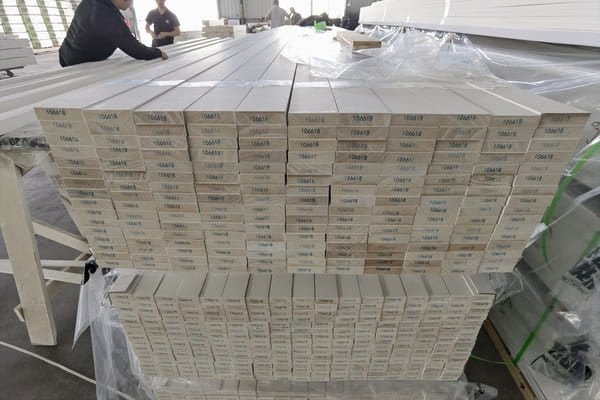
I've been working with Chinese manufacturers for over two decades. What I've seen is not just a place to get things cheap. It's about a complete ecosystem that can deliver quality and volume consistently. Let me share with you why this region has become a cornerstone for businesses like yours.
How Does China's Production Capacity Meet Large-Volume Orders?
China has factories that can make a lot of products. They have many machines and many workers. This means they can produce large amounts of trim moulding very quickly. They can handle what we call "high-volume orders." If you need thousands of meters of trim, Chinese factories can do it. This scale is important for big projects or for filling up large retail stores. It helps keep your stock full.
Why is Sourcing from China Often More Cost-Efficient?
Chinese factories have found ways to make things less costly. They have efficient ways of working. They use good energy management. They also have access to raw materials at good prices. This helps them make trim moulding at a lower price than other places. This lower cost means you can buy more for your money. It means you can offer competitive prices to your customers. It helps your business grow.
What Customization Options Can China Offer for Trim Moulding?
One thing I really value about working in China is the ability to customize. If you need a special shape or size of trim moulding, they can make it. They have skilled engineers and tools to create new designs easily. This means you are not stuck with only standard options. You can offer unique products to your clients. This sets you apart from your competition. It helps meet special design needs.
How Do Advanced Manufacturing Technologies Benefit Sourcing from China?
Chinese factories use modern machines. These machines are very precise. They cut wood and other materials with great accuracy. This means the trim moulding is made just right, every time. Good machines help reduce mistakes. They also make sure the quality is consistent. This is important for smooth installations. It means less waste and better finished products.
How Does China's Global Logistics Network Ensure Reliable Shipping?
China has a very good system for shipping things worldwide. There are many ports and many ships leaving every day. This means your orders can be sent out fast. They have good systems for tracking packages. They also have experience with international shipping rules. This makes sure your trim moulding gets to you on time and in good condition. It removes a lot of stress from the shipping process.
What About Quality Control in Chinese Trim Moulding Manufacturing?
Some people might worry about quality from China. But many factories, like ours, follow strict quality rules. We use international quality management systems. This means we check products at every step. We test materials. We inspect the finished trim moulding. This makes sure everything meets high standards. We work hard to ensure that quality is very good. We want to be a reliable partner.
Strategic Advantages of Sourcing Trim Moulding from China
| Advantage | Benefit for Wholesale Buyers | Goodwood Mouldings Example |
|---|---|---|
| Scale & Capacity | Meets large demand, consistent supply | High-volume production for global distributors |
| Cost-Efficiency | Competitive pricing, higher profit margins | Optimized processes, competitive raw material sourcing |
| Customization | Unique product offerings, specific project needs | Bespoke profiles, custom pre-finishing options |
| Advanced Technology | Precision cuts, consistent quality, less waste | Modern machinery for accurate dimensions and smooth finishes |
| Global Logistics | Timely delivery, reduced shipping hassles | Strong network for reliable ocean freight and tracking |
| Quality Control | Reliable products, fewer returns, strong reputation | ISO-certified processes, in-house quality checks |
These points show why working with a place like China is good for business. It helps you get what you need, when you need it, and at a price that works.
How Does Goodwood Mouldings Ensure Reliability in Your Trim Moulding Supply Chain?
Are you tired of unpredictable deliveries, inconsistent quality, or suppliers who can't meet your custom needs? A broken supply chain can cost you more than just money; it can cost you customer trust and project timelines.
Goodwood Mouldings ensures reliability in your trim moulding supply chain through stringent material quality and craftsmanship, adherence to international environmental and safety standards like FSC and CARB II, efficient order processing, robust global logistics, and expert support for custom solutions from inquiry to on-time delivery.
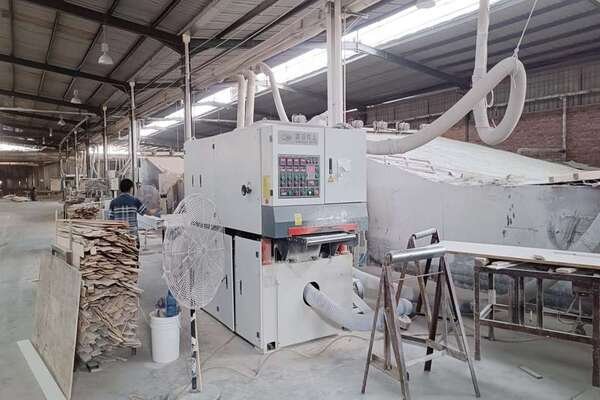
I've built this company on the idea that reliability is everything. I know your business depends on it. We've put systems in place to make sure every order, big or small, meets your expectations. Let me show you how we achieve this consistent, dependable service that you can count on.
What is Goodwood Mouldings' Commitment to Quality and Craftsmanship?
We believe in making the best products. We use only good quality wood for our mouldings. Our workers are skilled. They pay close attention to every detail. This means each piece of trim is made well. It is strong and looks good. We check the quality at every step. This ensures that what you receive is always top-notch. Our goal is for our products to last a long time and make your customers happy.
How Does Goodwood Mouldings Meet Environmental and Safety Standards?
We care about the environment and safety. We follow rules like FSC for sustainable wood sourcing. This means our wood comes from forests that are managed well. We also make sure our MDF products meet CARB II and EPA TSCA Title VI standards. This means they are safe for indoor air quality. We have other certifications too, like CE for Europe. This shows we meet global health and safety rules. It gives you and your clients peace of mind.
How Does Goodwood Mouldings Handle Order Processing and Global Logistics?
When you place an order with us, we work efficiently. We have clear steps for processing orders. We confirm everything with you. Then, we get the manufacturing started. We also have a strong system for shipping products all over the world. We work with trusted shipping companies. We track your order from our factory to your door. This reliable system means your trim moulding arrives on time. It is packed safely to prevent damage during transit.
What Expertise Does Goodwood Mouldings Offer for Custom Trim Solutions?
Many clients need special trim. They might need a unique shape or a specific size. We are very good at making custom trim moulding. Our team can help you design what you need. We have the machines to make these special requests. We can produce custom profiles, lengths, or even pre-primed trim. This flexibility means you can offer unique design options to your customers. It helps them finish projects exactly how they want.
How Does Goodwood Mouldings Provide Support to B2B Buyers?
From the moment you contact us, we are here to help. We have a dedicated team for B2B buyers. They know a lot about trim moulding. They can answer your questions. They can help you choose the right products. They will guide you through the whole process. This support makes buying from us easy and stress-free. We want to build a long-term partnership with you. We want to be a trusted part of your supply chain.
Goodwood Mouldings' Commitment to Supply Chain Reliability
| Aspect | How Goodwood Mouldings Delivers Reliability | Benefit for Wholesale Buyers |
|---|---|---|
| Material Quality | Strict selection of premium wood, skilled craftsmanship | Consistent product excellence, satisfied end-users |
| Standards Compliance | Adherence to FSC, CARB II/TSCA Title VI, CE Marking | Eco-friendly, safe products, legal market access |
| Efficient Logistics | Streamlined order processing, robust global shipping network | On-time delivery, reduced logistical headaches, stock availability |
| Customization Expertise | Advanced capabilities for bespoke profiles and finishes | Unique product offerings, meeting diverse project needs |
| Dedicated B2B Support | Responsive team from inquiry to after-sales service | Smooth transactions, expert guidance, problem-solving |
We at Goodwood Mouldings are not just a supplier. We are a partner. We work hard to make your trim moulding procurement easy and dependable. We want to help you succeed.
Conclusion
Mastering trim moulding procurement requires looking at product categories, understanding material choices, ensuring quality standards, leveraging global sourcing, and partnering with reliable suppliers. Focus on these elements to ensure efficiency.