Are you struggling to source high-quality, cost-effective wood mouldings for your projects? We understand the pain of inconsistent supply and unreliable quality, which can derail project timelines and budgets. This guide cuts through the noise, showing you how to secure premium wood mouldings consistently.
Wholesale wood moulding provides a strategic advantage for global buyers by offering competitive pricing, consistent supply, and access to a wide range of customizable products, ensuring project efficiency and design excellence.
I want you to imagine a world where your moulding orders arrive on time, every time, perfectly meeting your specifications. That world is attainable with the right wholesale partner. This guide will help you understand the landscape of wholesale wood mouldings, from product types to quality control and international sourcing strategies.
What Types Of Wood Mouldings Are Available For Wholesale Purchase?
Are you overwhelmed by the sheer variety of wood mouldings on the market? Picking the right type of moulding is critical for both function and aesthetics, but identifying the best fit can be a challenge.
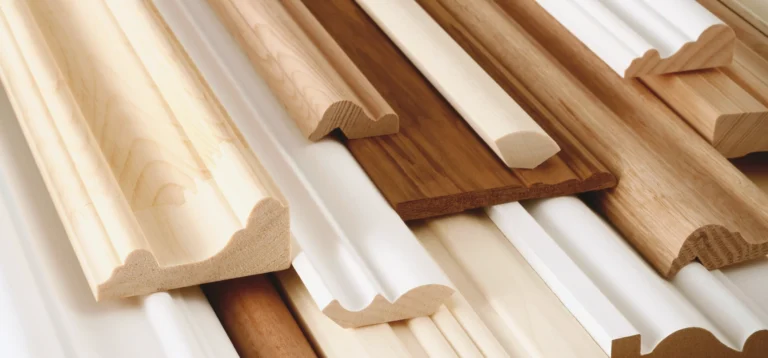
Wholesale wood mouldings include various profiles like crown mouldings, baseboards, and casings, as well as different materials such as solid wood, MDF, and finger-jointed pine, each suited for specific applications and budget requirements.
When we talk about wholesale wood mouldings, we're looking at a huge range of products. They come in many shapes and sizes. They also come in many materials. It is important to know the differences. This helps you get the right products for your projects.
What are the main profiles of wood mouldings?
Wood mouldings have many profiles. Each profile gives a specific look and serves a specific purpose. For example, crown mouldings are at the top where walls and ceilings meet. Baseboards are at the bottom where walls and floors meet. Casings go around doors and windows. Chair rails protect walls from chairs. Picture rails let you hang pictures without damaging walls. Panel mouldings add decorative shapes to walls. Other decorative trims add more detail. Sometimes, you need a custom profile for a special design. This means a supplier can make a unique shape just for your project.
What materials are used for wood mouldings?
Mouldings also come in different materials. Solid wood is a common choice. This includes woods like oak, maple, pine, and cherry. Solid wood looks good. It is strong. It can be stained or painted. It is good for many uses. MDF is another option. MDF means Medium-Density Fiberboard. It is cheaper than solid wood. It is smooth. It stays stable. It is great for painting. It is good for large jobs. Finger-jointed pine, or FJP, is also popular. It is pieces of pine wood joined together. It is strong and straight. It is also good for painting. It costs less than solid wood. These different materials give you options. You can pick what works best for your project and your budget.
| Material Type | Characteristics | Advantages | Common Applications |
|---|---|---|---|
| Solid Wood | Natural grain, dense, varies by species | Durable, rich aesthetic, can be stained or painted | High-end finishes, traditional styles, durable applications |
| MDF | Uniform, smooth surface, no grain | Cost-effective, very stable, takes paint well | Paint-grade trim, large commercial projects |
| Finger-Jointed Pine | Straight, consistent, glued small pieces | Affordable, stable, good for painting, resists warping | Paint-grade trim, residential and commercial uses |
| Wood Composites | Blend of wood fibers and resins | Moisture resistance, consistent, sometimes pre-finished | Humid areas, specific outdoor applications |
How Do I Ensure Quality And Compliance When Sourcing Wholesale Wood Mouldings?
Are you worried about getting mouldings that don't meet your quality standards or fail to comply with regulations? It's a common fear to receive a shipment that's sub-par, leading to costly delays and rework.
To ensure quality and compliance, focus on suppliers with certifications like FSC for sustainable wood and CARB II/EPA TSCA Title VI for formaldehyde emissions, while also verifying consistent milling accuracy, proper moisture content, and defect prevention in manufacturing.
When we source wood mouldings for our clients, quality and compliance are very important. We know that if these things are not right, it can cause many problems. It can affect your projects and your business. We always check many things to make sure the products are good.
How do we make sure materials are good and sustainable?
First, we look at where the wood comes from. We want to make sure it is sustainable. This means we look for FSC® certification. FSC stands for Forest Stewardship Council. This certification means the wood comes from forests managed in a responsible way. It helps protect the environment. For products like MDF, we check for CARB II or EPA TSCA Title VI compliance. These are rules about formaldehyde emissions. Formaldehyde can be harmful. These rules make sure the products are safe. This is very important for indoor air quality. We make sure our suppliers follow these rules. This gives you peace of mind about the products you get.
How do we ensure good manufacturing?
Next, we look at how the mouldings are made. We check for milling accuracy. This means the shape of the moulding is exactly right. It also means the size is correct. If the milling is off, the mouldings will not fit together well. We also check the moisture content of the wood. Wood needs to have the right amount of moisture. If it has too much or too little, it can warp or crack after installation. This is called dimensional stability. We also look for defects. Defects are things like knots that fall out, wood that is bent, or wood that has cracks. We make sure there are very few defects. We also check the finish. Sometimes mouldings come primed. This means they are ready for paint. We check if the priming is smooth and even. Good manufacturing steps mean the mouldings will look good and last long.
What Are The Key Considerations For Bulk Ordering And International Shipping?
Are you concerned about the complexities of ordering large quantities of mouldings and getting them shipped across borders? Dealing with minimum order quantities, lead times, and customs can be daunting.
Key considerations for bulk ordering and international shipping include understanding Minimum Order Quantities (MOQs), negotiating lead times, using proper packaging, and managing logistics through Incoterms to ensure efficient and cost-effective delivery.
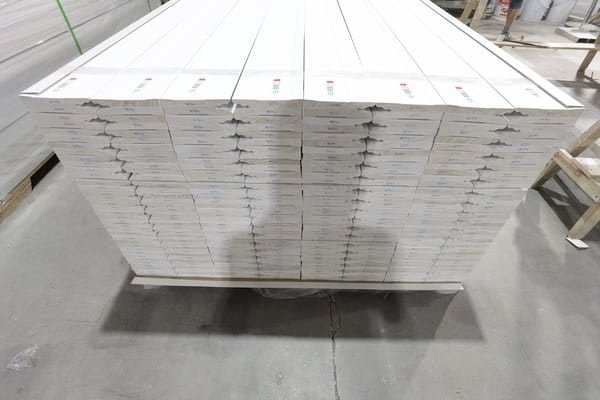
When you buy wood mouldings in bulk and ship them internationally, there are many things to think about. It is not like buying a few pieces from a local store. We have years of experience with this. We help our clients through every step. This makes sure that their order arrives smoothly.
What should you know about ordering large amounts?
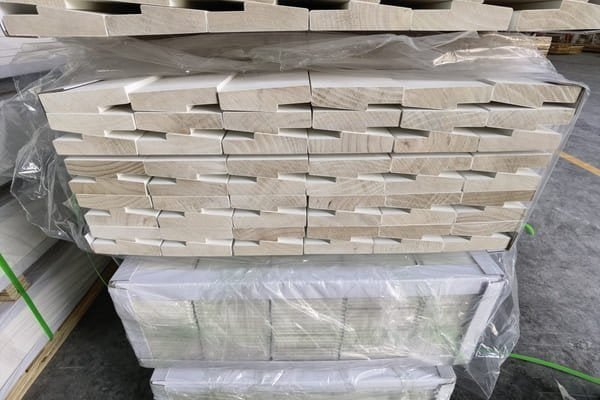
First, you need to know about Minimum Order Quantity, or MOQ. This is the smallest amount a supplier will sell. For wholesale, MOQs are usually high. This is because making small batches costs more for the factory. You need to plan your orders to meet these MOQs. Next, think about lead times. This is the time it takes from when you order until the products are ready to ship. For international orders, this can be many weeks. This includes production time and shipping time. You must plan your projects with these times in mind. Also, packaging is important. Mouldings are long and can break easily. They need strong packaging. This keeps them safe during their long journey. We make sure our products are packed well. This protects them from damage.
How does international shipping work?
Shipping across borders involves logistics. There are different ways to ship. FCL means Full Container Load. This is when your order fills a whole shipping container. LCL means Less than Container Load. This is when your order shares a container with other goods. FCL is often cheaper per unit if you have a lot to ship. You also need to understand Incoterms. These are international rules for shipping. They tell you who pays for what, and when responsibility for the goods transfers. Common Incoterms are FOB, CIF, and EXW. FOB means Free On Board. CIF means Cost, Insurance, and Freight. EXW means Ex Works. Each one changes who pays for shipping, insurance, and customs. Customs clearance is another step. This is when your goods go through checks at the border. You need documents for this. Proper documents help your goods clear customs fast. We help you understand these parts. We help make your bulk order and shipping easy.
How Can Customization Options Meet My Project-Specific Requirements?
Are you struggling to find off-the-shelf mouldings that perfectly match your unique architectural designs? Standard profiles often fall short, forcing compromises in your vision.
Customization options allow you to create unique wood moulding profiles, choose specific wood species, select tailored finishes, and ensure perfect dimensions, providing exact solutions for any project's aesthetic and functional demands.
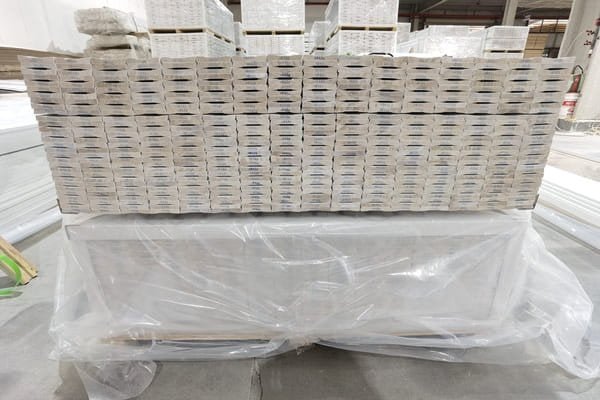
In many projects, standard mouldings just do not work. Every project is different. It can have special needs. We know that. We help our clients get exactly what they need. We do this through customization. It means we make mouldings that are just for them.
What does customization mean for mouldings?
Customization means more than just a different size. It means we can create a completely new profile. A profile is the shape of the moulding. If you have a specific design in mind, we can make it. You might have an old building where you need to match existing mouldings. Or you might have a new design that needs a fresh look. We can take your drawings or samples. We can then make a cutting tool. This tool will make mouldings with your exact shape. You can also pick the type of wood. Maybe you need a specific look, like the grain of oak. Or maybe you need a wood that paints very well. We can help you choose the right wood species.
What other ways can mouldings be customized?
Beyond shape and wood type, we can also customize the finish. Do you need the moulding to be raw wood, ready for your own stain? Or do you need it pre-primed, ready for paint on site? We can do that. We can also make sure the dimensions are perfect for your project. This means the width, thickness, and length. For large projects, having mouldings that fit exactly saves time and money during installation. It also ensures a better final look. Customization lets you achieve your exact vision. It removes the need to compromise. We work closely with our clients. We make sure their custom mouldings meet every detail of their project needs.
Why Is Sourcing Wholesale Wood Mouldings From China A Strategic Advantage?
Are you questioning the benefits of sourcing wood mouldings from China, perhaps due to past perceptions or logistics concerns? You might be missing out on significant advantages that can boost your business.
Sourcing wholesale wood mouldings from China offers strategic advantages such as competitive pricing, vast production capacity, advanced customization capabilities, modern manufacturing technologies, and reliable supply chains, all supported by international compliance.
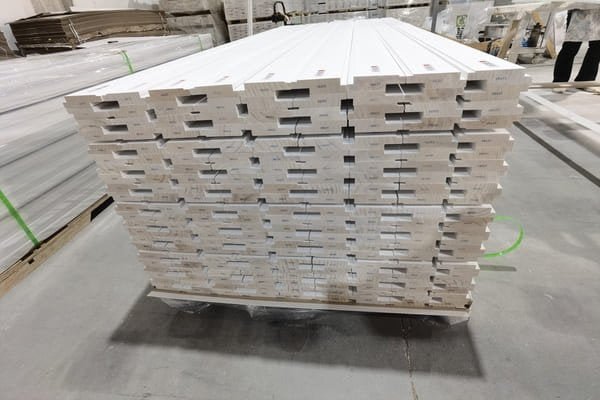
For many years, we at Goodwood Mouldings have worked with factories in China. We have seen firsthand why it is a smart choice for wholesale wood mouldings. It gives our clients a strong edge in the market. It helps them meet their project needs well.
What makes China a good place for mouldings?
One big reason is cost. China has competitive pricing. This is because they have large factories. They make a lot of products. This scale helps keep costs down. So, you can get high-quality mouldings for a better price. This helps your budget. Another key point is huge production capacity. Chinese factories can make many mouldings. They can do large orders. They can do them fast. This means you get a steady supply. This is important for big projects. It stops delays. Also, China is great at customization. If you need a special moulding shape, they can make it. They have skilled workers and the right machines. This means unique designs are possible.
What about technology and supply?
Chinese manufacturers use modern technology. They have advanced machines. These machines make mouldings very precise. This means good quality every time. They also have reliable supply chains. This means everything from getting raw wood to shipping finished products is well-organized. They have good logistics partners. This ensures goods get to you on time. Many factories there also meet international rules. This includes certifications like FSC for wood and CARB II for MDF. This means their products are safe and sustainable. For us at Goodwood Mouldings, sourcing here means we can give our clients the best of both worlds. We offer good prices and great quality. We do it consistently, and we make sure everything is right.
What Support Can I Expect From A Reputable Wholesale Moulding Supplier?
Have you ever dealt with a supplier who disappears after the sale, leaving you to handle problems alone? Lack of support can turn a good deal into a major headache, especially with complex international orders.
A reputable wholesale moulding supplier offers comprehensive support, including clear communication, responsive service, transparent issue resolution, and value-added assistance like product development and technical guidance, ensuring a smooth and reliable partnership.
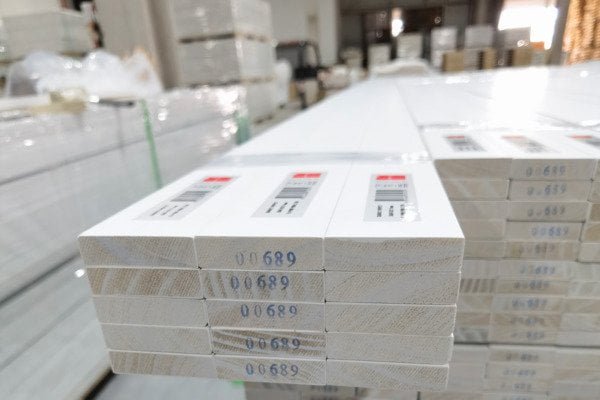
Knowing what to expect from a wholesale supplier is key. It is not just about the product itself. It is about the relationship. We believe in being a true partner. We want to help our clients succeed. This means we offer strong support from beginning to end.
What kind of help should you expect?
First, you need clear communication. A good supplier talks to you openly. They keep you updated. They tell you about your order status. They answer your questions fast. This makes sure you always know what is happening. Responsive service is also very important. If you have a problem or a question, they should get back to you quickly. You should not have to wait a long time for an answer. Transparency is another big thing. This means they are honest with you. If there is a problem, they tell you about it. They work with you to fix it. They do not hide anything. This builds trust.
What extra help can a good supplier give?
Beyond the basics, a good supplier offers value-added services. This means they give you more than just the product. For example, they can help with product development. If you need a new moulding, they can help design it. They can help turn your idea into a real product. They can give technical support too. This means if you have questions about how to use the moulding or its specific features, they can help. They know their products well. They can also help if issues come up after delivery. They should work with you to solve any problems fast and fairly. All this support helps you feel confident. It helps your projects run smoothly. It makes you want to work with them again. This is what we try to do at Goodwood Mouldings.
Conclusion
Sourcing wholesale wood mouldings strategically delivers competitive pricing and consistent quality. By understanding product types, ensuring compliance, leveraging China's manufacturing strengths, and partnering with reliable suppliers, global buyers can achieve design excellence and project efficiency.