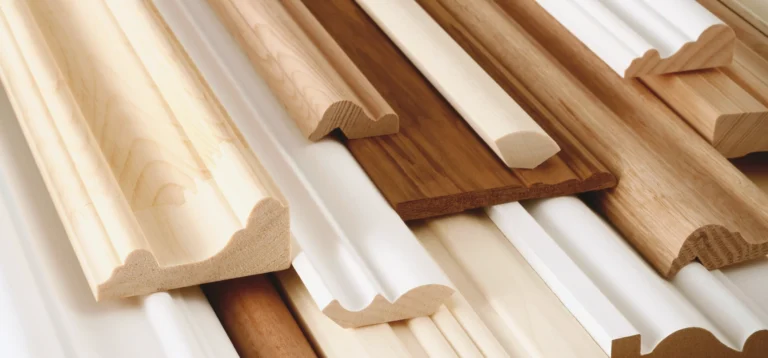
Are you struggling to find reliable wood molding suppliers for your projects? Inconsistent quality and delayed shipments can disrupt your timelines and impact your bottom line.
Sourcing wholesale wood molding is a strategic decision that directly impacts product quality, project timelines, and profitability. This guide will walk you through key product categories, crucial material comparisons, and the step-by-step process for evaluating suppliers to secure a reliable and cost-effective supply chain.
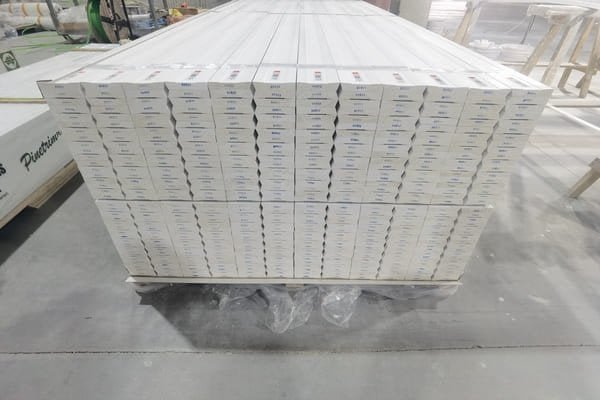
As a professional buyer, I know wood molding is the finishing touch that truly makes a building feel complete. It adds texture, depth, and a sense of quality to any space. For me, sourcing wholesale wood molding isn't just about buying; it's about making choices that affect product quality, project timelines, and how much profit we make. This guide is your essential playbook, whether you’re handling a big project or starting a new product line.
Who Is This Guide Written For?
Are you a B2B professional looking to streamline your wood molding procurement? This guide cuts through the noise to deliver insights tailored for your specific needs.
This guide is specifically designed for B2B professionals such as building material distributors, construction contractors, furniture and cabinetry manufacturers, interior décor OEM factories, and international traders who need a consistent supply of quality wood molding, and want to control costs, ensure compliance, and meet tight deadlines.
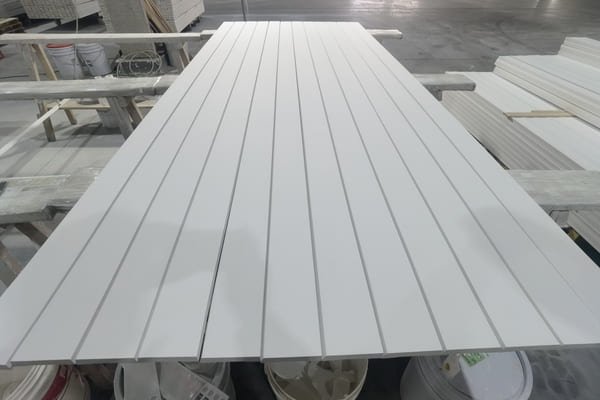
This guide is not for someone doing a minor home project on the weekend. This is for you, the B2B professional. I’ve put this together with people like us in mind because I know our needs are unique.
For example, if you’re a Building Material Distributor, you need a steady supply of common profiles. You also need to be able to get custom orders for your clients. If you’re a Construction Contractor, your success depends on being efficient and providing good quality; buying directly helps you manage costs and project schedules.
Furniture Manufacturers, you use decorative trims in your products. You need a partner who can provide custom designs in large quantities. If you work in an Interior Décor OEM Factory, you make products for big brands. You need a supplier who can meet strict quality rules, environmental standards, and delivery times. Lastly, if you are an International Trader, you connect factories with markets. You have to handle shipping, certifications, and quality standards, which can be tricky.
If any of these sound like you, keep reading. I’ve gathered the information you need to make better purchasing decisions.
What are the Common Types of Wood Molding You Need to Know?
Are you feeling overwhelmed by the vast catalog of wood molding profiles? Understanding the core categories simplifies your sourcing process.
It's helpful to categorize wood molding into common types: baseboards hide wall-floor joints, crown molding decorates wall-ceiling junctions, door and window casings frame openings, chair rails protect and divide walls, panel molding creates decorative wall designs, and shoe molding covers expansion gaps. Many projects also require custom profiles to meet unique design needs.
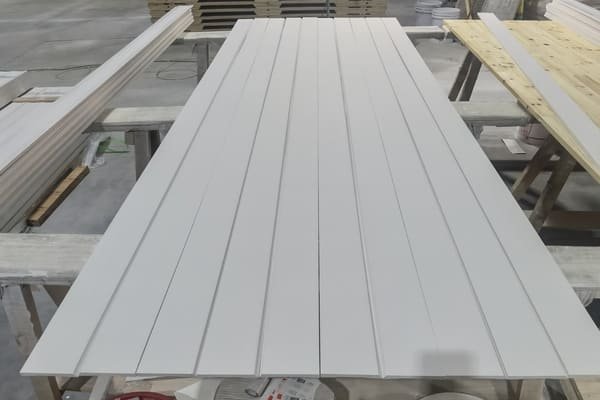
When I review a supplier's catalog, the sheer number of profiles can be daunting. As a B2B buyer, I find it helpful to group them into common categories. This helps me quickly identify what I need and communicate it clearly.
Baseboards are installed at the bottom of the wall where it meets the floor. They protect the wall from bumps and scuffs, and also make the room look neat by covering the gap. Crown Molding is the fancy trim at the top of the wall where it meets the ceiling. It makes a room look luxurious and adds a lot of character.
Door and Window Casings frame doors and windows. They cover the space between the frame and the wall. These are important for a clean, finished look and come in many different styles. Chair Rails are installed horizontally about a third of the way up the wall. They used to protect walls from chairs, but now they add style and can divide a wall for different colors or materials.
Panel Molding is thin trim used to make decorative wall panels. This is popular in both old and new designs to add architectural detail. Shoe Molding, also called Quarter Round, is a small trim that covers the gap between the baseboard and the floor. It's a small detail, but it really completes an installation. Also, many projects need Custom Profiles. A good supplier will have a team that can make unique wood molding based on our specific design or a sample. This is a crucial service for us.
Here's a breakdown of common types I frequently source:
| Type of Molding | Placement | Primary Function | Aesthetic Role |
|---|---|---|---|
| Baseboards / Skirting | Wall meets floor | Protects wall, conceals joint | Provides a finished transition; defines room character |
| Crown Molding | Wall meets ceiling | Covers unsightly gap | Adds elegance, dimension, and architectural interest |
| Door & Window Casings | Around doors/windows | Hides gap between frame and wall | Frames openings, enhances architectural style |
| Chair Rail / Wall Trim | Mid-height on wall (approx. 1/3 up) | Protects wall from furniture, divides wall visually | Adds visual interest, can define zones or material changes |
| Panel Molding | On walls, creating patterns | Decorative detailing, wainscoting effect | Creates architectural depth and formal design elements |
| Shoe Molding / Quarter Round | Between baseboard and flooring | Covers expansion gap | Provides a subtle, clean transition to the floor |
| Custom Profiles | Anywhere, as per design | Meets unique project or product specifications | Allows for exclusive, bespoke design solutions |
What are the Material Choices: The Solid Wood vs. MDF Debate?
Are you weighing the pros and cons of solid wood versus MDF for your projects? Your material choice profoundly impacts cost, quality, and performance.
The most critical decision in sourcing is the material: solid wood provides premium look and feel, durability, and versatile finishing options at a higher cost with moisture sensitivity and inconsistency; MDF, conversely, offers cost-effectiveness, uniformity, and easy finishing but is less durable and requires strict environmental compliance (CARB Phase 2) for formaldehyde emissions, especially for US and EU markets.
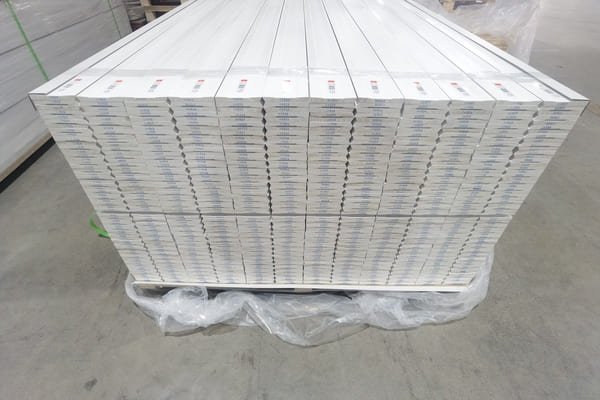
For me, the most important decision in sourcing wood molding is the material. The choice between solid wood and MDF will greatly affect the cost, overall quality, and how the product performs for our clients. Each has distinct benefits and drawbacks.
Why is Solid Wood Molding Preferred for High-End Projects?
Solid wood molding is the gold standard for high-end projects because of its natural beauty and unique grain patterns.
Solid wood offers a premium look with natural texture and unique variations from woods like Pine, Oak, Poplar, or Maple, making products feel authentic and luxurious. It's very durable and can withstand bumps. It's also versatile, as it can be stained or painted. However, solid wood is much more expensive than MDF, can warp or crack if not properly dried or stored, and its color and grain can vary between batches, making uniformity challenging.
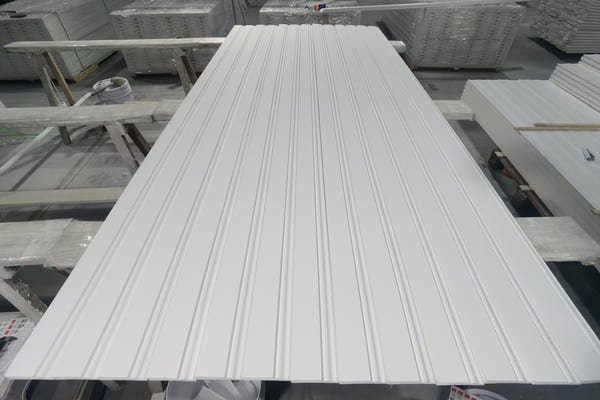
I always push for solid wood molding when the project demands a premium look and feel. The natural texture and unique grain patterns of woods like Pine, Oak, Poplar, or Maple just can't be replicated. It gives a sense of authenticity and luxury that clients really appreciate. I also like that solid wood is very durable; it can take a few dings without showing much damage, which means it lasts a long time. Plus, it's easy to finish whether we stain it to show off its natural beauty or paint it for a uniform look.
However, I'm also really aware of its limitations. It costs a lot more than MDF, which can eat into our profit margins on projects where budget is tight. I also have to be very careful about moisture. If it’s not kiln-dried correctly and stored well, especially when shipping to different climates, it can warp, crack, or even shrink. And it’s tough to get perfect uniformity in color and grain across large orders, which means I have to manage client expectations closely.
Here’s a snapshot of what I consider when sourcing solid wood:
| Aspect | Pros | Cons |
|---|---|---|
| Aesthetics | Premium look, natural grain, authentic feel | Inconsistency in grain/color between batches |
| Durability | Robust, long-lasting, withstands dents | Can warp, crack, or shrink if moisture content is not controlled |
| Finishing | Can be stained to enhance natural beauty or painted | May require more careful prep for painting than MDF |
| Cost | Higher upfront cost | Impacts profit margins on budget-sensitive projects |
| Maintenance | More forgiving with minor damage | Requires careful storage and handling to prevent warping |
Why is MDF Wood Molding a Workhorse in the Industry?
MDF wood molding is a workhorse in the industry, admired for its consistency and cost-effectiveness. It is made by breaking down wood fibers and mixing them with wax and a resin binder.
MDF is the most affordable option for large-scale production, significantly boosting profitability. It has a perfectly smooth surface and uniform density, preventing warping with humidity changes, making it ideal for big housing projects. Its smooth finish also allows for easy priming and painting, requiring less labor for a flawless look. However, it's less durable to impact and prone to chipping, and you must verify that suppliers meet formaldehyde emission standards like E0/E1 or CARB Phase 2, which are essential for US and EU markets.
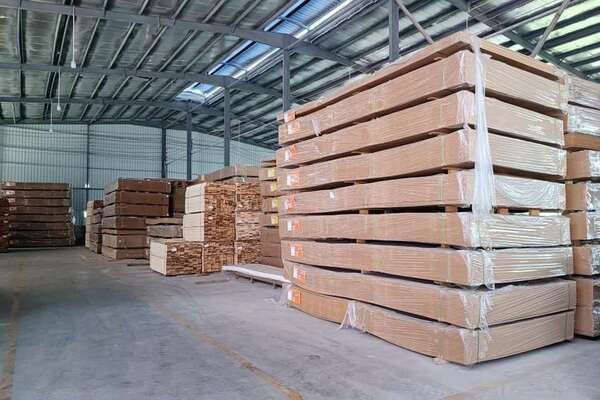
From my perspective, MDF wood molding is great for many of our projects. It's the most affordable option, especially for large orders, which is a major factor for our profitability. I really value its uniformity and stability; it has a perfectly smooth surface without knots or grain, and it doesn't warp or expand when humidity changes. This makes it perfect for big housing developments and furniture factories where consistency is key.
Its smooth surface is also wonderful for priming and painting. It means we get a flawless finish with less effort, saving labor costs on site. My main concern with MDF is its durability. It's not as strong as solid wood and can chip if it gets hit hard. More importantly, I always make sure that our suppliers follow formaldehyde emission standards like E0/E1 or CARB Phase 2. This is non-negotiable for anyone selling into the US and EU markets, as compliance protects our business and our customers.
Here’s my overview of MDF molding:
| Aspect | Pros | Cons |
|---|---|---|
| Cost | Most affordable for large-scale production | Lower resale value than solid wood |
| Uniformity & Stability | Perfectly smooth, no knots, consistent density | Less resistant to impact damage, prone to chipping |
| Finishing | Ideal for priming and painting, flawless finish | Cannot be stained effectively; limited natural aesthetic |
| Environmental Concerns | Requires verification of formaldehyde emission standards (E0/E1, CARB Phase 2) | Non-compliant MDF can lead to health issues and market rejection |
| Workability | Easy to cut and mill | Can dull blades faster than solid wood |
What is the Wholesale Buyer's Checklist: Verifying Quality Before You Commit?
Are you consistently vetting your wood molding suppliers? Your business's reputation hinges on the quality of your sourced products.
Before committing to a supplier, I always demand physical samples to verify dimensions and finish quality. I ensure consistent dimensions and surface quality, require a kiln-drying certificate for solid wood (6–12% moisture), and check for certifications like CARB Phase 2 for MDF and FSC for solid wood. I also inspect packaging methods for protection during transit and confirm lead times and production capacity for volume orders.
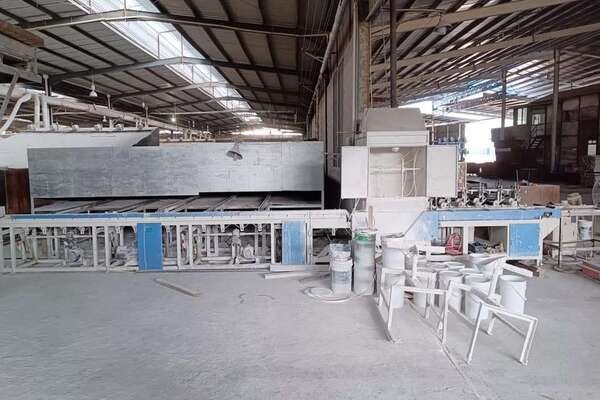
As a B2B buyer, my reputation is directly tied to the quality of the products I supply. Because of this, I created a checklist to help me make sure potential suppliers meet our standards before I commit.
What are the Key Items on My Quality Verification Checklist?
When I evaluate a potential supplier, I don't just take their word for it. My checklist ensures I cover all the important details to confirm quality.
I insist on a physical sample before any bulk order; this lets me check dimensions, surface finish quality, and how corners fit. I explicitly ask for guarantees of dimensional uniformity (no bubbles or peeling) across all lengths and consistent surface finish. For solid wood, I require a kiln-drying certificate confirming a 6-12% moisture content to prevent warping. I also check for necessary certifications like CARB Phase 2 for MDF and FSC for sustainable solid wood. I personally inspect their bundling and palletization methods for shipping protection, and finally, confirm their production capacity and lead times for both standard and custom orders.
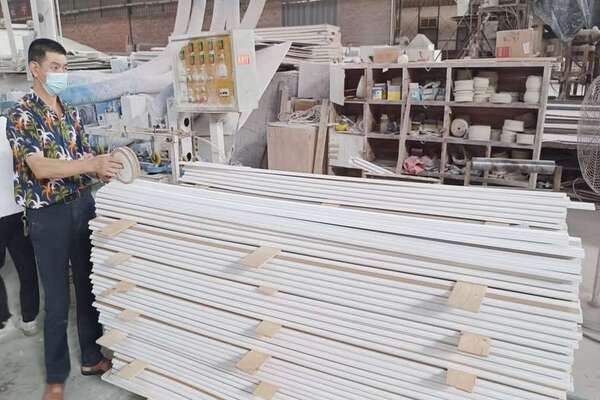
First, I never place a big order without seeing a physical sample. This lets me check the exact size, the quality of the finish, and how the corners fit together. I make sure to ask for a guarantee that the dimensions are consistent across all lengths. I also check if the surface finish is uniform, without any bubbles or peeling.
For solid wood, I always ask for a kiln-drying certificate to confirm the moisture content. It needs to be in the ideal range, usually between 6–12%. This is very important to prevent warping. For MDF, I ask for test reports for formaldehyde emissions. CARB Phase 2 is a must for the US market. If our clients need sustainable products, I ask for FSC certification for solid wood to ensure it comes from responsibly managed forests.
I also look at their packaging methods. Is the molding bundled and shrink-wrapped? Is it packed on strong pallets with corner protectors to prevent damage during shipping? Lastly, I check their production capacity and lead time. Can they handle the amount I need? What's the average time for a standard order compared to a custom one?
Here's my full checklist:
| Checklist Item | Specific Action Required | Why it's Critical |
|---|---|---|
| 1. Sample Approval | Obtain physical sample; check dimensions, finish, miterability. | Confirms product meets aesthetic and functional requirements before large investment. |
| 2. Dimensional Consistency | Guarantee uniformity across all lengths; verify tolerance. | Ensures easy installation and a professional finish; prevents waste. |
| 3. Surface Quality | Inspect for bubbles, peeling, chips, uniform finish. | Reflects manufacturing quality; impacts product appearance and durability. |
| 4. Moisture Content (Solid Wood) | Request kiln-drying certificate (6–12%). | Prevents warping, cracking, and shrinkage, especially in varying climates. |
| 5. Certifications (MDF) | Obtain formaldehyde emission reports (CARB Phase 2). | Ensures health safety and compliance for target markets (e.g., US, EU). |
| 6. Certifications (Solid Wood) | Ask for FSC certification if sustainability is required. | Verifies responsible forestry practices; meets ethical sourcing demands. |
| 7. Packaging | Inspect bundling, shrink-wrapping, palletization, corner protectors. | Prevents damage during transit; ensures product arrives in marketable condition. |
| 8. Production Capacity | Confirm ability to handle required volume. | Guarantees supplier can meet demand for large or ongoing projects. |
| 9. Lead Time | Obtain estimated lead times for standard and custom orders. | Essential for project planning and managing client expectations. |
| 10. Third-Party Inspection | Ask if they support independent quality checks. | Adds an extra layer of assurance and verifies supplier transparency. |
Conclusion
Successfully sourcing wholesale wood molding demands a comprehensive approach, from understanding material differences to rigorously vetting suppliers. By focusing on detailed specifications, verifying quality through samples and certifications, and aligning with industry trends, you can secure a robust supply chain that supports your business's success and profitability.