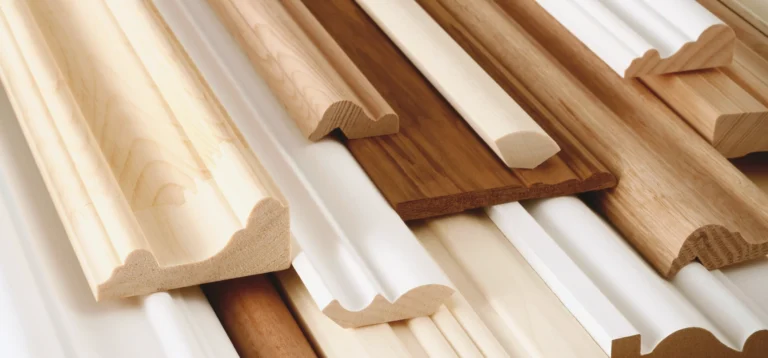
Are you struggling to find a reliable wood panel manufacturer that consistently meets your quality and delivery needs? Inconsistent supply and poor-quality materials can derail your projects and impact your bottom line.
Partnering with the right wood panel manufacturer is a strategic decision that ensures consistent quality, competitive pricing, and a reliable supply chain for your furniture, construction, or wholesale business. This guide offers essential product categories, material comparisons, and critical evaluation criteria to help you select a trusted manufacturer for long-term success.
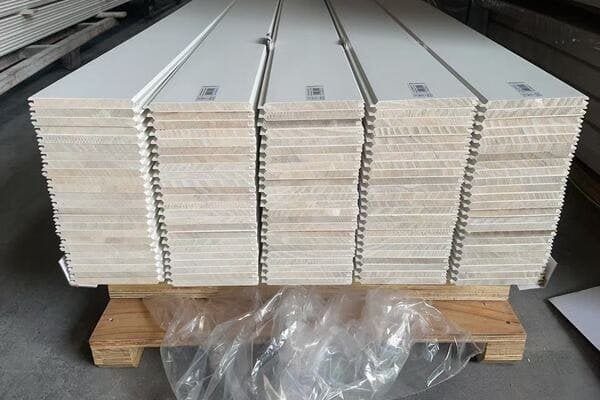
In the fast-paced world of furniture and construction, wood panels are essential for countless projects. The quality of any project hinges on its materials, from the basic structure of a new home to the sleek finish of a modern kitchen cabinet. For professional buyers like me—including those from furniture factories, construction firms, wholesale distributors, and OEM brands—finding the right wood panel manufacturer is not just a purchasing decision. It's a strategic partnership that ensures quality, good prices, and a steady supply chain. This guide is your definitive resource to help you choose a trusted manufacturer that will support your business for the long haul.
Who Needs a Direct Partnership with a Wood Panel Manufacturer?
Are you tired of dealing with middlemen and inconsistent product quality? A direct partnership with a wood panel manufacturer can give you greater control and better pricing.
A direct partnership with a wood panel manufacturer is critical for furniture factories, construction contractors, wholesale distributors, and OEM home décor brands. It provides unparalleled benefits, including greater control over product specifications, quality, and cost, by eliminating intermediaries and ensuring consistent supply tailored to your specific demands.
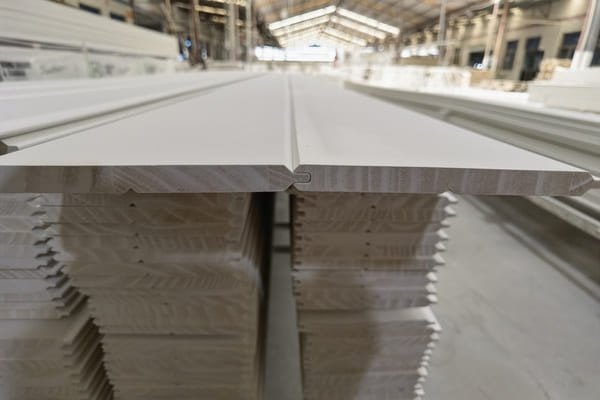
A direct relationship with a manufacturer offers many benefits. By not using intermediaries, you get more control over what you order, its quality, and its cost. This guide is made for people like me who need that direct connection.
For Furniture Factories & Cabinet Makers, our business relies on materials that are stable in size and have a perfect surface for finishes. Whether we are making fancy wardrobes, strong kitchen cabinets, or useful office furniture, we need a wood panel manufacturer who understands our production needs. This includes precise cutting and perfect lamination. We prioritize consistency, stability, and eco-friendly compliance to meet what our customers expect.
For Construction Contractors & Interior Fit-Out Companies, time and money are everything. We use panels for many things, like wall coverings, subfloors, ceiling tiles, and room dividers. Our biggest worries are: how strong the panels are, how well they resist water and fire, and if the manufacturer can deliver them quickly and reliably to keep our projects on schedule.
As Wholesale Distributors & Importers, our profits depend on how well we buy and manage our inventory. We buy large amounts to supply lumberyards, hardware stores, and DIY shops. Our perfect partner is a wholesale wood panel manufacturer who can produce a lot, has many standard sizes and grades, and can source materials cheaply to help us keep our prices competitive in our local market.
For OEM Home Décor & Interior Brands, we focus on unique, high-design products like fancy wall panels and custom interior items. Our main focus is on how things look and how we can customize them. We need a wood panel manufacturer who can provide special finishes, from exotic wood veneers to custom-printed laminates. They also need to maintain our brand's quality and packaging standards.
If you fit into any of these categories, then this guide is for you. I’ve tailored the information to help you strengthen your supply chain.
What are the Main Types of Wood Panels You Can Source?
Are you confused by the array of wood panel options available for your projects? Understanding the different types is crucial for making informed sourcing decisions.
A professional wood panel manufacturer offers diverse options, including plywood for high strength, MDF for smooth finishes in furniture, and particle board for economical applications. Additionally, specialty panels like laminated, veneered, acoustic, fire-resistant, and moisture-resistant types provide solutions for specific aesthetic, functional, and safety requirements.
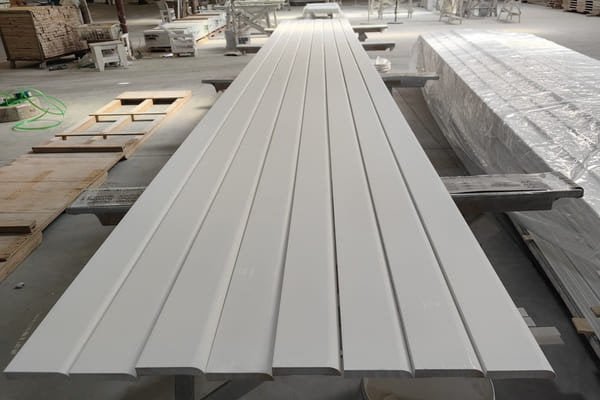
A good wood panel manufacturer offers a wide range of products to meet the needs of every industry. Here’s how I break down the most common types.
Plywood is an engineered wood panel made from thin layers of wood veneer glued together. Each layer's grain is turned 90 degrees from the one next to it, which makes it very strong and stable. I like its high strength-to-weight ratio, its good screw-holding ability, and its resistance to warping. It's used for structural work, subflooring, furniture frames, and strong shelving. This is a basic product for any plywood manufacturer selling wholesale.
MDF (Medium-Density Fiberboard) is a versatile panel made from wood fibers, wax, and a resin binder pressed into a dense, smooth sheet. It has no visible grain, making it perfect for a smooth finish. I find its perfectly smooth surface and consistent density means it’s easy to cut and shape without splintering. It's great for high-quality cabinets, painted furniture, decorative trims, and speaker boxes. For projects needing painted furniture, finding a reliable MDF board manufacturer, especially in places like China, is a top priority for me.
Particle Board (Chipboard) is a low-density panel made from wood chips and sawdust glued together with a synthetic resin. It’s the cheapest option. It’s affordable and lightweight, which makes it suitable for budget-friendly furniture, shelving, and as a base for laminates.
Many manufacturers also offer Specialty Panels. Laminated Panels have a decorative layer of melamine, high-pressure laminate (HPL), or PVC on their surface. They are popular because they come in many colors, textures (like wood grain, stone, or matte), and are durable. A good laminated wood panel supplier can offer many options. Veneered Panels have a thin layer of real wood veneer on top of a core material like MDF or particle board. They look like solid wood but are cheaper and lighter. Finding a good veneered panel factory is important for luxury furniture and architectural projects. Acoustic Panels are made with holes, grooves, or special densities to absorb sound. They are essential for places like offices, theaters, and recording studios. Lastly, Fire-Resistant & Moisture-Resistant Panels are specially treated for high-safety or high-humidity areas. They often need specific certifications for export.
Here is a table summarizing the main types of wood panels I consider:
| Panel Type | Key Features | Common Applications | Primary Benefit |
|---|---|---|---|
| Plywood | High strength, dimensional stability, screw holding | Structural, subflooring, furniture frames | Exceptional strength-to-weight ratio |
| MDF | Perfectly smooth surface, uniform density, no grain, easy to shape | Cabinets, painted furniture, decorative trims | Ideal for smooth finishes and intricate designs |
| Particle Board | Affordable, lightweight, made from wood chips | Budget furniture, shelving, laminate substrate | Most economical option for cost-sensitive projects |
| Laminated Panels | Decorative surface (melamine, HPL, PVC), wide range of finishes | Desktops, cabinets, interior decor | Durability, variety of aesthetics, easy maintenance |
| Veneered Panels | Thin layer of real wood veneer over core | Luxury furniture, architectural features | Premium solid wood look at reduced cost and weight |
| Acoustic Panels | Sound-absorbing properties (holes, grooves) | Offices, theaters, recording studios | Reduces noise, improves sound quality |
| Fire-Resistant Panels | Specially treated for enhanced fire safety | Commercial buildings, public spaces, high-safety areas | Enhanced safety, meets specific building codes |
| Moisture-Resistant Panels | Enhanced resistance to humidity and water damage | Bathrooms, kitchens, outdoor applications | Prevents swelling, warping, and mold in humid environments |
What are the Critical Factors When Choosing a Wood Panel Manufacturer?
Are you looking for a wood panel manufacturer who can truly be a strategic partner? Simply comparing prices isn't enough; you need to evaluate deep into their capabilities.
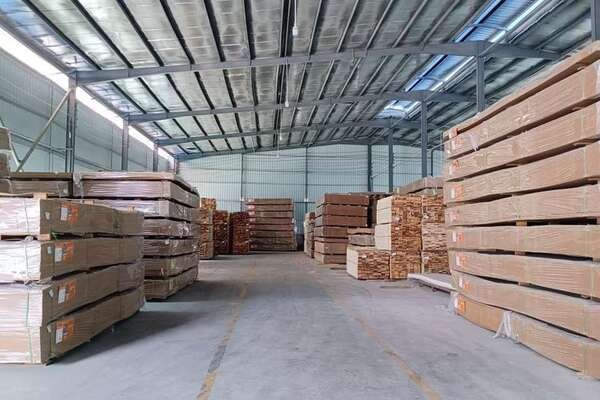
When choosing a wood panel manufacturer, I prioritize quality certifications like CARB, EPA TSCA Title VI, E0/E1, FSC, and CE for compliance with global standards. I also assess their production capacity through automated lines and clear lead times, verify their customization abilities, and evaluate their packaging and logistics expertise for export-ready and moisture-protected shipments. Finally, I focus on overall value, considering their quality control and after-sales service over just the lowest cost.
My experience tells me that your relationship with a supplier should be based on trust and proven capabilities. Here’s a checklist of key factors I always evaluate before I place a big order.
Quality Certifications & Compliance are non-negotiable in a global market. I ensure the panels meet the standards of our target market. This includes CARB (California Air Resources Board) & EPA TSCA Title VI for any products going to the US, which control formaldehyde emissions. For Europe and Asia, E0 / E1 / F**☆ / F☆☆** are typical formaldehyde standards, with E0 being the strictest. If sustainability is a factor, I look for FSC (Forest Stewardship Council) certification to ensure the wood comes from responsibly managed forests. CE Marking is also necessary for panels sold in the European Economic Area.
Production Capacity & Scalability are crucial because a good partner can grow with my business. I look for manufacturers with modern, automated equipment. This guarantees consistent product quality and that they can handle large orders on time. I always ask for clear lead times for both standard and custom orders. A reliable manufacturer should have a stable production schedule.
Customization Ability is a key difference between manufacturers. The ability to produce special sizes, thicknesses, and finishes is important. A flexible wood panel manufacturer can support our unique product designs and help us gain an advantage over competitors.
Packaging & Logistics Expertise is another critical factor. A perfect product can be ruined by bad packaging. I confirm that the packaging is strong enough for long-distance shipping, including reinforced pallets, straps, and waterproof wrapping. Panels are sensitive to moisture, so a professional manufacturer will use protective film or other methods to prevent water damage during transit.
Finally, Cost vs. Value is always on my mind. The cheapest option is rarely the best in the long run. I evaluate a manufacturer based on the total value they provide including their quality control, consistency, and after-sales service. This approach saves me significant costs from damaged goods, project delays, or unhappy customers.
Here's my complete checklist for evaluating wood panel manufacturers:
| Factor | Key Considerations | Why It's Critical |
|---|---|---|
| 1. Quality Certifications | CARB, EPA TSCA Title VI (US); E0/E1 (EU/Asia); FSC (sustainability); CE Marking (EU). | Ensures compliance with market regulations, avoids legal issues, and meets client demands. |
| 2. Production Capacity | Automated lines, modern equipment, ability to fulfill large orders. | Guarantees consistent quality and timely delivery for volume orders. |
| 3. Lead Time | Clear, consistent lead times for standard and custom products. | Essential for project planning, inventory management, and meeting deadlines. |
| 4. Customization Ability | Capability to produce custom sizes, thicknesses, and finishes. | Supports unique product designs and provides a competitive edge. |
| 5. Packaging & Logistics | Export-ready packaging: reinforced pallets, strapping, waterproof wrapping. | Protects products from damage during long-distance shipping and varying conditions. |
| 6. Moisture Protection | Use of protective film or other measures against water damage. | Prevents warping, swelling, and costly product loss during transit. |
| 7. Cost vs. Value | Evaluation of total value, including QC, consistency, after-sales service. | Ensures long-term profitability by minimizing risks from poor quality or delays. |
| 8. Communication & Support | Responsive, clear communication; dedicated account management. | Facilitates smooth operations and quick resolution of issues. |
| 9. Sample Policy | Availability of samples for quality and finish evaluation. | Crucial for pre-delivery inspection and customer satisfaction. |
| 10. References/Track Record | Evidence of successful partnerships with similar businesses. | Provides assurance of reliability and experience in your industry. |
Conclusion
Partnering with the right wood panel manufacturer is fundamental for success in furniture, construction, or wholesale. By diligently applying this guide's criteria, you can ensure consistent quality, competitive pricing, and reliable supply, building a strong foundation for your business's long-term growth and profitability.