Are you struggling to find reliable wood trim suppliers, wasting time and money on inconsistent quality? Many buyers face issues with unreliable quality, supply chain delays, and missed project deadlines.
I understand your challenge as a wholesale buyer. This guide gives you clear strategies to find dependable global wood trim suppliers. It focuses on consistent quality, cost-effectiveness, and reliable supply.
The market for wood trim is growing. Both new buildings and renovations need high-quality trim. For buyers like me—distributors, contractors, or big developers—choosing a wholesale supplier is a big decision. It affects project times, budgets, and overall quality.
What Are the Key Types of Wood Trim Available for Wholesale?
Do you know the different types of wood trim, and which ones fit your needs best? Many buyers get confused by the many options. They risk choosing the wrong material, which can cause problems later.
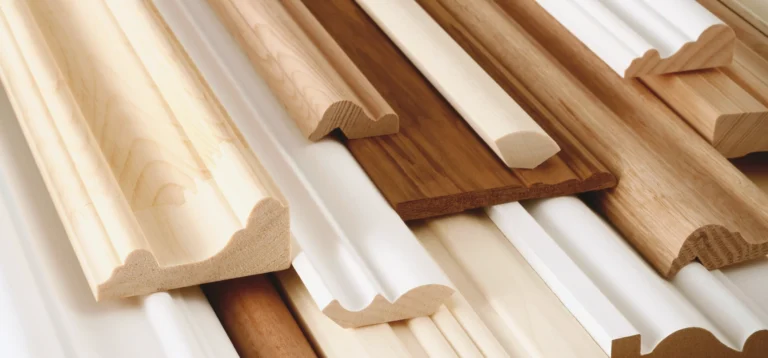
There are many types of wholesale wood trim. These include solid wood, MDF, finger-jointed, and laminated options. Each type has its own look and uses. Understanding them helps you pick the right trim for your projects.
For me, understanding the types of wood trim is the first step. It ensures I choose the right product for each project. There are a few main material types that I see often.
What are the main material options for wood trim?
I need to know the material options. Different materials have different strengths and costs.
-
Solid Wood: This includes woods like pine, oak, maple, and poplar. Solid wood is strong and looks natural. It is great for high-end projects. Pine is common and less expensive. Oak and maple are harder and look more premium. Poplar is good for painting.
-
MDF (Medium-Density Fiberboard) Trim: MDF is made from wood fibers mixed with resin. This material is smooth and consistent. It is easy to cut and shape. MDF is less expensive than solid wood. It is perfect for painted finishes. It does not warp as much as solid wood.
-
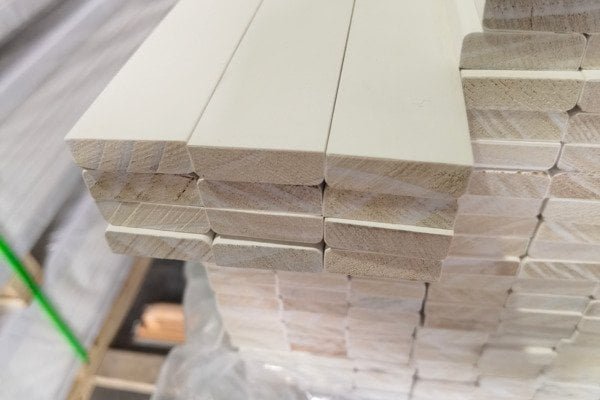
Finger-Jointed Wood Trim: This type uses many small wood pieces joined together. These joints are strong. Finger-jointed trim costs less than solid wood. It is often primed and painted. It uses wood efficiently and reduces waste.
-
Laminated Wood Trim: Laminated trim has layers of wood glued together. This makes it very stable. It is less likely to warp. It can combine different wood types or veneers. This provides a specific look or strength.
What about different product categories?
The shape and use of the trim are also important. There are standard categories I always look for.
| Category | Description | Common Use |
|---|---|---|
| Baseboards | Go along the bottom of walls. | Cover gaps between walls and floors, protect walls. |
| Crown Mouldings | Go along the top, where walls meet ceilings. | Add a decorative finish to rooms. |
| Casings | Frame doors and windows. | Cover gaps around openings, add decorative touch. |
| Chair Rails | Run horizontally on walls, usually at chair back height. | Protect walls from chairs, add visual division. |
| Picture Rails | Run horizontally higher on walls. | Hang pictures without damaging walls. |
| Panel Mouldings | Used to create decorative panels on walls, doors, or ceilings. | Add architectural detail, break up large surfaces. |
| Specialty Profiles | Unique shapes like handrails, sills, or custom designs. | Specific functional or decorative needs. |
What are the finish options?
Finish options matter a lot for the final look. I need to make sure my supplier offers the right ones.
- Unfinished: This trim comes raw. It is ready for paint or stain on the job site. This gives full control over the final color.
- Primed: This trim has a base coat of primer. It is ready for a topcoat of paint. This saves time on the job site.
- Pre-finished/Lacquered: This trim comes with the final finish already applied. It is ready to install right away. This saves a lot of time and labor.
How Can I Ensure Quality and Compliance When Sourcing Wholesale Wood Trim?
Are you worried about getting low-quality wood trim, or products that do not meet standards? Inconsistent quality and non-compliance can lead to expensive project delays and rework.
To ensure quality and compliance, you must set clear standards for material, manufacturing, and certifications. Always ask for audits and verify your supplier’s track record. This helps you get reliable products.
I know that making sure of quality and compliance is key. It protects my projects and my customers. I always check several things to be sure.
How do I check for quality control?
Quality starts with the materials and continues through production. I always focus on these points.
-
Material Sourcing and Selection Standards: Good wood trim starts with good wood. I need to know where the wood comes from. It should be from managed forests. The supplier must have clear rules for selecting wood. This includes checking for defects in the raw material.
-
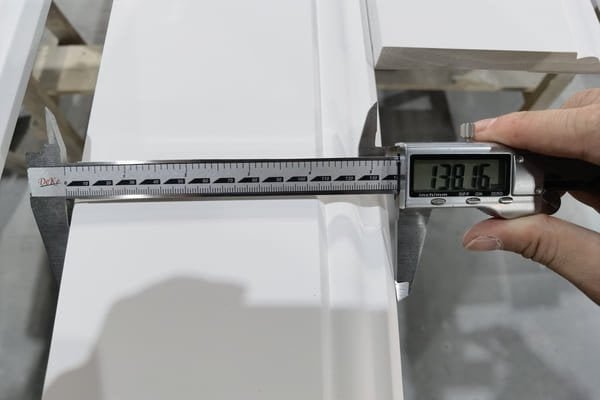
Manufacturing Precision and Consistency: The trim must be cut and shaped exactly. I look for suppliers with modern machines. These machines prevent errors. Each piece should be the same as the last. This consistency is very important for large orders.
-
Moisture Content Regulation: Wood reacts to moisture. If it is too wet or too dry, it can warp. Suppliers must control the wood's moisture content. They should use kilns to dry it correctly. This stops problems like cracking or bending after installation.
-
Defect Detection and Grading: Suppliers must check every piece for flaws. This means looking for knots, cracks, or bad finishes. Good suppliers grade their products. They will tell you what quality level you are getting.
What certifications and standards are important?
Certifications show that a supplier meets global rules. They also show they care about the environment.
- FSC (Forest Stewardship Council) Certification: This means the wood comes from forests managed in a responsible way. It is a big deal for sustainable building. I always ask for FSC-certified products when possible.
- CARB II/EPA TSCA Title VI Compliance: This is for engineered wood like MDF. It limits formaldehyde emissions. This is important for indoor air quality. It is often a must-have for North American markets.
- CE Marking: This mark shows compliance with European health, safety, and environmental standards. If I ship to Europe, this is necessary.
- Volatile Organic Compound (VOC) Standards: Paints and finishes can have VOCs. Low-VOC materials are better for health. I look for suppliers who use low-VOC options.
Why are supplier audits and verification needed?
I do not just take their word for it. I verify everything.
- Factory Capabilities and Production Capacity: I need to know if the factory can make enough trim. It should handle my order size. I check their machines and how many shifts they run.
- Reputation and Track Record: I ask about their past work. How long have they been in business? Do they have good reviews or references? A long history means they are reliable.
- Documentation and Transparency: They should be open about their processes. I ask for production reports and quality checks. Clear documents mean they are trustworthy.
What Are the Advantages of Partnering with Chinese Wholesale Wood Trim Suppliers?
Are you unsure about sourcing wood trim from China, fearing quality or logistical issues? Many buyers worry about the risks and overlook the significant benefits.
Partnering with Chinese wholesale wood trim suppliers offers great benefits. These include lower costs, large production capacity, and good customization. They also have modern factories and strong shipping links. This makes them a strong choice.
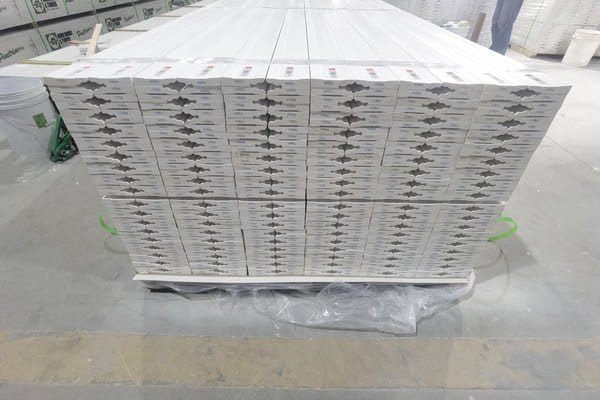
Over my years, I have seen that Chinese suppliers offer real advantages. Goodwood Mouldings is in Xiamen, China. I know firsthand how their setup helps.
How can sourcing from China save money?
Cost is always a factor. Chinese suppliers can offer better prices.
- Competitive Manufacturing Costs: It costs less to make things in China. This means lower prices for me. Factories use efficient methods.
- Economies of Scale in Raw Material Sourcing: Chinese factories buy wood in huge amounts. This gets them better deals. This saving gets passed on to buyers like me.
What about production scale and capacity?
For big projects, capacity is vital.
- Ability to Handle Large Volume Orders: Many factories in China are very large. They can make huge amounts of trim. This is perfect for my bulk orders. They do not get overwhelmed.
- Flexible Production for Diverse Requirements: They can switch between different products easily. If I need different types of trim, they can make them all.
Are customization options good?
My clients often need special trim. Customization is very important.
- Tailored Profiles and Dimensions: If I need a specific trim shape or size, they can make it. They have the machines and skills for custom work.
- Specific Material and Finish Requests: I can ask for certain wood types or unique finishes. They can match my exact needs.
Do they use advanced technology?
Modern factories mean better products.
- Modern Equipment and Techniques: Many Chinese factories have the newest machines. These machines work faster and more precisely. This makes high-quality trim.
- Skilled Labor Force: Workers in these factories have a lot of experience. They know how to make good wood products.
What about logistics?
Getting the trim from the factory to my warehouse needs a good system.
- Well-Developed Export and Shipping Networks: China has a very strong system for shipping goods out. They have many shipping companies and routes.
- Efficient Port Operations: Ports in China are big and busy. They handle many ships. This means my shipments move quickly and smoothly.
How Does Bulk Procurement Impact Pricing and Logistics for Wood Trim?
Are you wondering how placing large orders affects your budget and delivery schedule? Many buyers do not fully grasp the details of bulk buying. This can lead to unexpected costs or delays.
Bulk procurement means you can get better prices per unit for wood trim. But it needs careful planning for minimum orders, lead times, and shipping logistics. Understanding these details helps make sure your supply chain runs smoothly and saves you money.
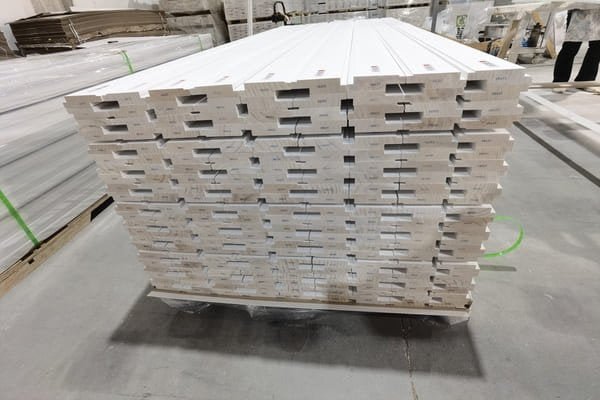
When I buy a lot of wood trim, it changes everything. I have to think about more than just the price tag.
What are Minimum Order Quantities (MOQs)?
Suppliers set MOQs. I need to know them well.
- Understanding Supplier Requirements: Every factory has a minimum amount they want to sell. This is their MOQ. It covers their setup costs. Buying less than the MOQ often means higher prices or no sale.
- Negotiating for Optimal Order Sizes: I try to hit the MOQ to get the best price. Sometimes, I can negotiate a slightly lower MOQ if I promise future orders. It's about finding a balance.
What about lead times and production schedules?
Time is money in my business.
- Planning for Manufacturing Duration: Making wood trim takes time. I need to know how long the factory needs to produce my order. This is the manufacturing duration.
- Accounting for Shipping and Customs Clearance: After production, shipping takes weeks. Then, customs clearance adds more time. I must add all these times together. My schedule needs to be long enough to cover all parts.
What are the pricing structures?
Getting the right price means understanding different terms.
- FOB, CIF, and EXW Options:
- FOB (Free On Board): The seller pays to get the goods to the port. I pay for shipping from there.
- CIF (Cost, Insurance, and Freight): The seller pays for everything to get it to my port. I just pay when it arrives.
- EXW (Ex Works): I pay for everything from the factory floor. This is cheap for the seller, but more work for me.
- Payment Terms and Deposit Requirements: Suppliers want a deposit upfront. Then I pay the rest when the order is ready or shipped. I always try to negotiate fair terms. Sometimes, a smaller deposit helps my cash flow.
How do packaging and shipping work?
Bad packaging leads to damaged goods.
- Protective Packaging for International Transit: Trim must be protected. It needs strong wrapping and boxes. It must survive rough handling and long travel.
- Container Loading and Optimization: My orders fill up shipping containers. Good suppliers load them smartly. This prevents damage and uses space well.
- Freight Forwarding and Customs Brokerage: I use special companies for shipping. They handle all the paperwork for moving goods across borders. They make sure customs goes smoothly.
What Customization Options Should I Expect from Wholesale Wood Trim Providers?
Do you believe you must settle for standard wood trim designs, limiting your project's unique vision? Many buyers think customization is too expensive or too difficult when buying wholesale.
You should expect many customization options from wholesale wood trim providers. This includes custom profiles, specific wood types, and unique finishes. Good suppliers work with you to make trim that fits your exact project needs.
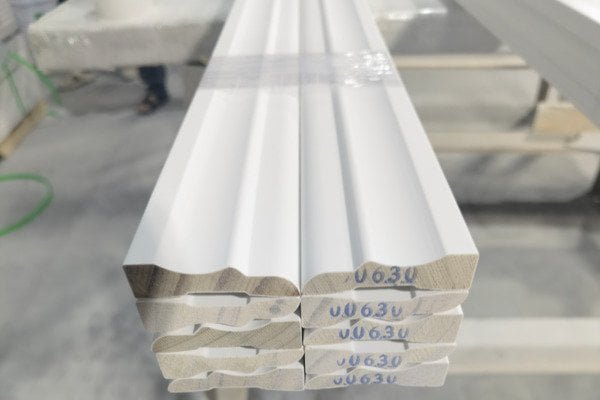
My clients often want something special. So, I always look for suppliers who can customize. Goodwood Mouldings lets me do this.
What kinds of custom profiles can I ask for?
Sometimes standard shapes just do not work.
- Unique Trim Shapes: If a client has an old piece of trim, I need to match it. A good supplier can make new cutting tools to create that exact shape. This is called a custom profile. This helps with historical renovations or specific design needs.
- Matching Existing Designs: I bring a drawing or a sample, and the factory makes a mold based on it. This means I can get a trim that is perfect for a special project.
Can I choose specific wood species?
Different woods have different looks and strengths.
- Non-Standard Wood Types: Everyone knows pine or oak. But sometimes, a project calls for something else, like a specific tropical hardwood or a softer wood like basswood. A flexible supplier can source these for me. They will work to find the right wood that meets my quality standards.
- Engineered Wood Options: For cost reasons or stability, I might need a specific type of MDF or finger-jointed material. A supplier that offers choices here is very helpful.
What about custom dimensions and lengths?
Standard sizes might not fit.
- Exact Widths and Thicknesses: If a wall is thinner, I need thinner trim. Or if a door frame is extra wide, I need wider casing. I can ask for these exact measurements.
- Custom Lengths: Shipping long pieces can be tricky. But sometimes, I need very long runs of trim to avoid joints. A supplier who can produce custom lengths helps save labor on site. This means less cutting and joining.
Can I get custom finishes?
The finish makes a big difference in the final look.
- Brand-Specific Primers: If my company uses a certain brand of paint, I might want trim primed with a compatible primer. This helps the paint stick better and last longer. Good suppliers can use specific primer types.
- Custom Paint Colors or Stains: For a large project, I might want all trim to arrive pre-painted in a unique color. Or pre-stained to match other wood in the building. Suppliers with painting lines can do this. This saves a massive amount of time and effort on the job site.
Where Can I Find Reliable Long-Term Partners for Wood Trim Supply?
Are you tired of searching for new suppliers every time you have a project, facing inconsistent quality and communication? Finding reliable long-term partners is crucial for steady business growth.
To find reliable, long-term wood trim partners, look beyond just price. Use industry directories, attend trade shows, and ask for referrals. Focus on manufacturers with good track records and clear communication. This builds a strong, stable supply chain.
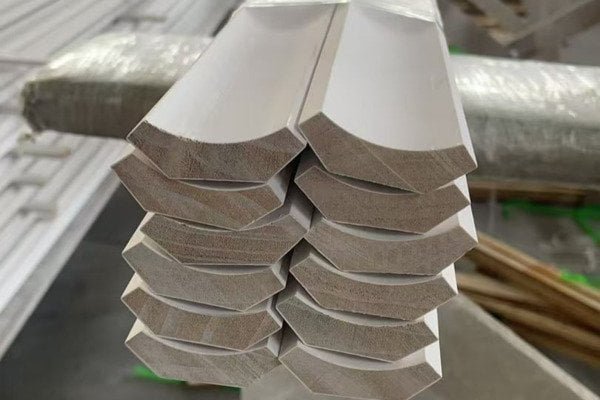
Finding a good partner is like finding a good employee. It takes effort, but it pays off hugely. I always look for suppliers who want a long relationship.
How do I start my search?
There are some main places I look first.
- Industry Directories and Online Marketplaces: Websites list many suppliers. Sites like Alibaba or specific building material directories can be a good starting point. I can filter by product type and location. This gives me a large pool to choose from. But I still need to do my own checks.
- Trade Shows and Exhibitions: Going to trade shows lets me meet suppliers in person. I can see their products, talk to their reps, and ask questions. It also lets me compare many suppliers at once. I can get a feel for their professionalism.
- Referrals and Networking: The best way to find a good supplier is often through someone I trust. Other buyers or people in the industry can tell me who they had good experiences with. Good references are very valuable.
- Direct Contact with Manufacturers: Sometimes, I find a factory online and contact them directly. This cuts out middlemen. It can lead to better prices and clearer communication. I look for factories with their own websites and clear product information.
How do I check a supplier's professionalism?
Good communication and service are as important as good products.
- Responsiveness and Communication: Do they answer my emails quickly? Do they understand my questions? Clear and fast communication is a sign of a good partner. If I have to wait days for a simple answer, it is a red flag.
- Attention to Detail: Do they ask clarifying questions? Do they double-check my order details? Suppliers who pay attention to small things usually deliver better results. They get things right the first time.
- Problem-Solving Approach: No supply chain is perfect. Problems happen. A good partner helps solve problems. They do not just blame others. They offer solutions and work with me.
- Flexibility and Adaptability: Markets and project needs change. A good supplier can adjust. If I need a change to an order, they try to help. They are not too rigid.
Why is a long-term partnership important?
A good partnership makes my job easier.
- Consistency: A long-term partner understands my needs. They know my quality standards. This leads to consistent product quality over time.
- Efficiency: We build trust. Communication gets faster. We know each other's processes. This makes ordering and delivery smoother.
- Cost Savings: Over time, a strong relationship can lead to better pricing. They might offer discounts for loyalty.
- Innovation: Good partners share new ideas. They might show me new products or methods. This helps me stay ahead.
Conclusion
Finding the right wholesale wood trim supplier needs careful checks. You need to look at material types, quality control, certifications, and customization. China offers cost savings and large scale. Good partners save you money and make projects smooth.