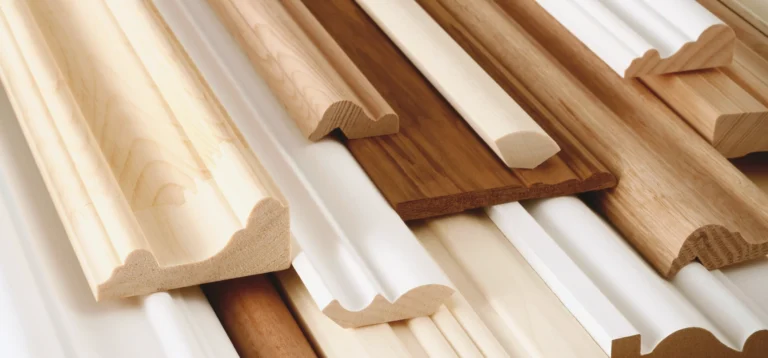
Looking for wood mouldings for your next big project? The global market can feel like a maze, filled with choices and challenges. Making the right decision for your supply chain is important.
Choosing the right global wood moulding supplier means focusing on consistent quality, reliable delivery, and competitive pricing, all while meeting international standards. We aim to find partners who truly understand our needs and can support long-term growth.
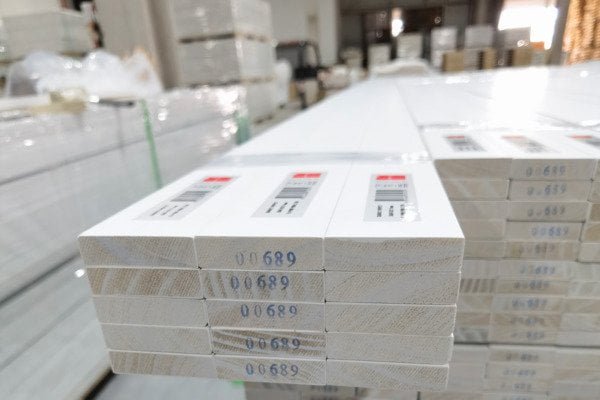
It is important to remember that sourcing wood mouldings is not just about finding the cheapest price. It is about building a strong partnership. We need to work with someone who delivers quality every time, no matter what.
What Are the Key Types of Wood Mouldings Available Globally?
Are you feeling overwhelmed by all the different wood moulding choices out there? Knowing the main types helps a lot when you are looking for specific products.
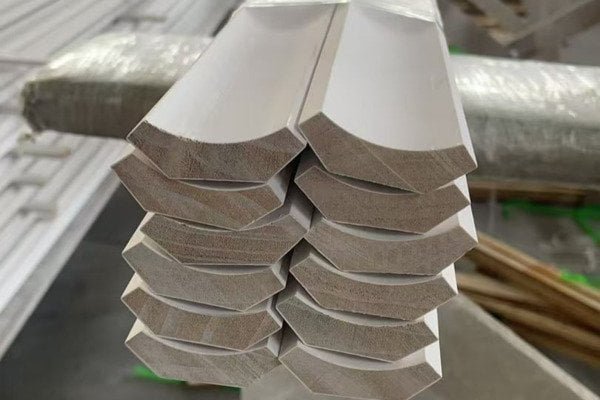
The main types of wood mouldings include crown, baseboard, casing, chair rail, and picture rail, each serving different functional and decorative purposes across residential, commercial, and even furniture applications.
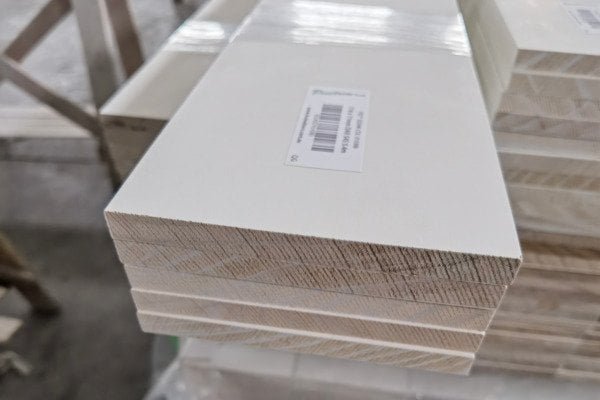
When I talk to clients, I always emphasize that knowing the different moulding types is the first step. Each type has a specific job. Understanding these details helps us find exactly what they need.
What are the main product categories for wood mouldings?
Wood mouldings come in many shapes and sizes. Each one is made for a certain part of a building or a certain design look.
| Category | Description | Common Usage |
|---|---|---|
| Crown Moulding | Sits at the top where walls and ceilings meet. It adds a decorative finish. | Formal rooms, living areas, dining rooms. |
| Baseboard/Skirting | Runs along the bottom of interior walls, covering the gap between the wall and the floor. | All rooms, protecting walls from damage. |
| Casing | Used around door and window frames. It covers the gaps between the frame and the wall. | Entrances, windows, creating a finished look. |
| Chair Rail | Goes around the middle of a wall. It protects the wall from chairs hitting it. | Dining rooms, hallways, often part of a wainscoting design. |
| Picture Rail | A horizontal strip near the ceiling. It lets you hang pictures with hooks without damaging the wall. | Older homes, galleries, allowing flexible art display. |
| Panel Moulding | Smaller, decorative strips. They are often used to create a framed panel effect on walls or doors. | Feature walls, wainscoting, adding architectural detail. |
| Decorative Trim | These are smaller, often ornate pieces. They add extra detail to furniture or other mouldings. | Furniture edges, cabinet doors, enhancing existing trim. |
| Specialty profiles | Shapes like S4S (Surfaced 4 Sides) or S3S (Surfaced 3 Sides) are just basic, milled pieces of lumber. | General construction, custom applications, where a specific profile isn't needed. |
We use these mouldings in many different places. For example, in homes, they add beauty and protect surfaces. In hotels or stores, they create a specific style. Even furniture makers use them for decorative touches. Old buildings often need specific mouldings for restoration work. Sometimes, even hobbyists might need them for smaller projects. It is a wide world of applications.
How Do Material Choices Impact Wood Moulding Performance and Cost?
Ever wondered why some wood mouldings cost more or last longer than others? The type of material used changes everything.
Material choices for wood mouldings directly affect performance, durability, and cost, with solid hardwoods offering high aesthetics and strength but at a higher price, while engineered options like MDF provide stability, a smooth finish, and cost-effectiveness.
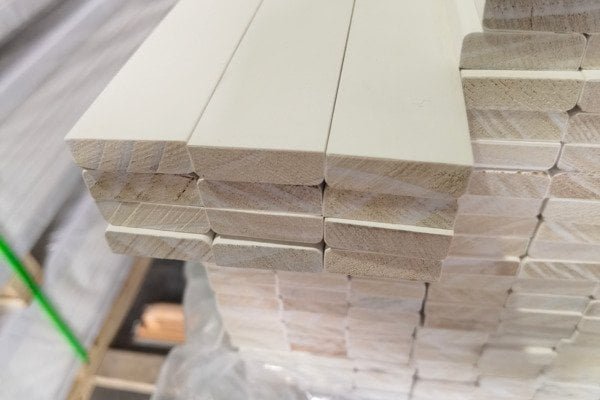
When I consult with clients, I always go into detail about materials. It is not just about personal preference. It is about what the project needs.
What are the main material options for wood mouldings?
We have two main types of materials for mouldings: solid wood and engineered wood. Each has its own good points and bad points.
Solid Wood Mouldings:
- Hardwoods: Woods like Oak, Maple, Cherry, and Walnut are strong and look very nice. They usually cost more. They are great for places where strength and a natural wood look are important. I have seen them used in high-end homes and commercial spaces.
- Softwoods: Pine, Poplar, and Fir are softer Woods. They are easier to work with and usually cost less. They are often painted, which makes them very popular. We mostly use them where we need a good paint finish and budget is a concern.
- Exotic Species: For very special projects, we might use woods from other parts of the world. These are for unique designs or specific looks.
Engineered Wood Mouldings:
- MDF (Medium Density Fiberboard): This is a mix of wood fibers and glue, pressed together. MDF is very stable and smooth. It is great for painting. It costs less than solid wood. It is a very common choice for many projects because it is so versatile.
- Finger-Jointed Wood: This uses smaller pieces of wood joined with strong glue. It helps use more of the wood. This makes it stable and often primed, ready for paint. It saves money and uses resources well.
- LVL (Laminated Veneer Lumber): LVL is made by gluing many thin wood layers together. It is very strong and stays the same size. We use it when we need a lot of strength and consistent dimensions.
When we pick a material, we think about many things. Is it for strength or just looks? Will it be painted or stained? How much money do we have to spend? And what kind of environment will it be in? For example, in a bathroom, we might choose something that handles moisture better. These details help us make the best choice.
What Quality Standards and Certifications Should Global Buyers Prioritize?
Are you worried about getting low-quality wood mouldings from overseas? Knowing the right quality standards and certifications keeps you safe.
Global buyers must prioritize verifiable quality standards like consistent wood grade, dimensional stability, and proper moisture content, alongside international certifications such as FSC for sustainability and CARB II for low formaldehyde emissions, to ensure product excellence and compliance.
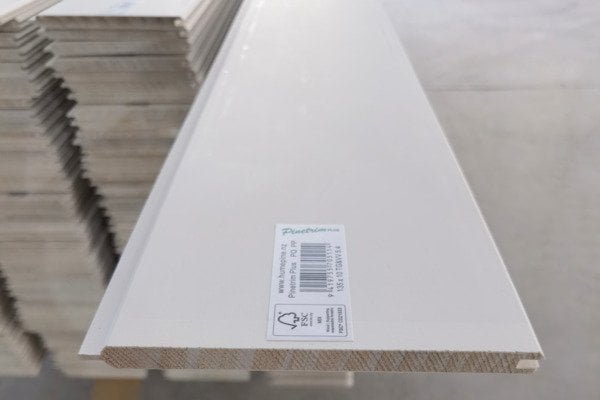
In my experience, understanding quality is not just a nice-to-have; it is a must-have. I always tell my team that certifications are like a promise from the supplier. They show a clear commitment to consistent quality.
What are the important details for material quality for wood mouldings?
When we look at the quality of wood mouldings, we check several key things. These help us make sure we get exactly what we expect.
| Quality Parameter | Why It Matters | What We Look For |
|---|---|---|
| Wood Grade | Shows the overall quality and appearance of the raw wood. | Consistent color, minimal knots, and defects for clear grades. |
| Species Consistency | Ensures all pieces look uniform, especially for stained wood. | No mixing of different wood types within an order, unless specified. |
| Dimensional Stability | How well the wood keeps its size and shape. Prevents warping or shrinking. | Straightness, consistent thickness and width across all pieces. |
| Surface Finish | How smooth the wood surface is. Important for painting or staining. | No rough spots, sanding marks, or other surface flaws. |
| Defect Tolerance | The number and type of allowed marks or flaws. | A clear agreement on what defects (e.g., small knots) are acceptable. |
| Moisture Content | The amount of water in the wood. Too much or too little causes problems. | Wood dried to the correct percentage (e.g., 6-8%) for the end-use environment. |
Beyond checking the wood itself, we also look at official papers. These certifications are very important for international trade.
- FSC (Forest Stewardship Council): This tells us the wood came from forests that are managed in a way that is good for the environment and people. It shows a commitment to responsible sourcing.
- CARB II / EPA TSCA Title VI: These are rules for how much formaldehyde can be in engineered wood products. This is very important for health reasons, especially for indoor air quality. We make sure all engineered products meet these strict standards.
- CE Marking: For products sold in Europe, this mark means they follow European safety and environmental standards. If our products go to Europe, this is a must-have.
- ISO 9001: This is a tag that shows a company has good systems for managing quality. It means they have clear ways of working to make sure products are always good.
Getting these documents from suppliers is not just a request; it is a requirement. It helps me to confirm that we are getting products that are safe, reliable, and made with care. It gives me peace of mind and helps me deliver quality to my customers.
How Can China-Based Suppliers Offer a Competitive Edge in Wood Moulding Procurement?
Are you wondering if sourcing wood mouldings from China really makes sense? Many buyers find big benefits that go beyond just saving money.
China-based suppliers often offer a competitive edge in wood moulding procurement through vast production capacity, cost-efficiency, deep customization expertise, a diverse material supply, and mature logistics networks, while also adhering to international quality and compliance standards.
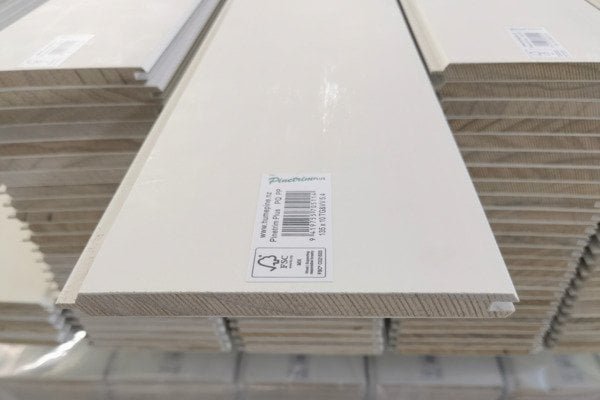
When I first started in this business, I was like many others. I thought China was just about low prices. But I have learned that it is much more than that. The advantages are deep and broad.
What are the main benefits of sourcing from China?
Over the years, I have seen many reasons why choosing a Chinese supplier is a smart move for wood mouldings. It is not just about cutting costs. It is about getting a better overall deal.
- Scale of Production: China has many factories. They can make a lot of wood mouldings very quickly. This means they can handle very large orders that other places might struggle with. This is great for us when we have big projects or need a lot of product fast.
- Cost-Efficiency: Because they can make so much, and because their production lines are very efficient, the prices are often lower. This helps us keep our costs down while still getting good products. It is a big reason why many global companies choose China.
- Customization Expertise: Many Chinese factories have very advanced machines and highly skilled workers. This means they can make almost any custom shape or size of moulding we can imagine. I have personally worked on complex custom designs that only a few factories in the world could produce.
- Diverse Material Access: China has good connections to wood sources from all over the world. This means they can get many different types of wood, both solid and engineered. This gives us more choices for our products.
- Supply Chain Maturity: The shipping and logistics from China are very well-developed. They have long experience sending products all over the world. This makes sure our orders arrive on time and smoothly.
- Certifications & Compliance: Many Chinese manufacturers now meet international standards like FSC and CARB II. We have seen a big push for this. They know that buyers like us care about these things. This means we get products that are good quality and also follow global rules.
My experience shows that working with suppliers in China is a strategic decision. It allows us to meet our clients' needs for quality, customization, and timely delivery at a competitive price point. It helps us stay ahead in a fast-moving market.
What Logistics and Supply Chain Considerations Are Crucial for International Orders?
Are you dreading the headache of getting wood mouldings from overseas? Many buyers worry about shipping and customs. But with the right plan, it can be smooth.
For international wood moulding orders, crucial logistics considerations include choosing appropriate shipping methods like sea freight, understanding Incoterms for responsibilities, ensuring robust packaging for protection, and navigating customs along with import duties for smooth, compliant delivery.
I know that dealing with international shipping can seem tough. I have personally managed many shipments across oceans. The key is planning and working with experienced partners.
What are the most important things to think about for international shipping?
When we send wood mouldings across borders, there are many details we must get right. Each step matters for a successful delivery.
- Shipping Methods:
- Sea freight: This is the most common way to send large amounts of wood mouldings over long distances. It costs less, but it takes longer. We plan for this in advance for bigger orders.
- Air freight: This is much faster but costs a lot more. We only use this for small, urgent orders where time is the most important thing.
- Incoterms: These are international rules for trade. They tell us who is responsible for what part of the shipping process.
- FOB (Free On Board): This means the seller pays to get the goods to the ship. Then the buyer pays for the rest.
- CIF (Cost, Insurance, and Freight): Here, the seller pays for the goods, insurance, and freight to the port of destination. The buyer takes over from there.
- EXW (Ex Works): The seller makes the goods ready at their factory. The buyer pays for everything from there. This offers the least responsibility for the seller. We decide which Incoterm to use based on how much control and risk we want to take.
- Packaging: Wood mouldings can get damaged easily. So, packaging must be strong. We make sure the wood is protected from moisture, bumps, and breaks. Good packaging also makes sure that the amount of space it takes up (volumetric weight) is correct. This helps with shipping costs.
- Customs and Import Duties: Every country has its own rules for what can come in. We always make sure all paperwork is correct. We also figure out any taxes (import duties) and fees. This stops delays at the border. My job is to make sure we follow all rules to avoid problems.
Getting these parts right means that the wood mouldings arrive safely, on time, and without unexpected costs. It is about careful planning and working closely with our shipping partners.
How Does Customization Work for Bulk Wood Moulding Orders?
Do you need unique wood moulding designs for a large project but think it is too hard for bulk orders? Many buyers believe custom options are only for small batches.
For bulk wood moulding orders, customization involves a clear process starting with precise specifications, leveraging advanced manufacturing to create unique profiles, and then ensuring consistent quality across the entire large-volume production, making bespoke designs accessible for major projects.
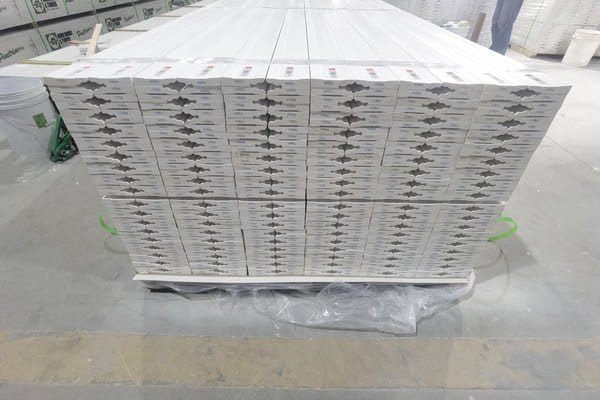
I have helped many clients bring their special designs to life. It is not just about making a mould. It is about making sure that every single piece in a thousands-piece order looks exactly the same.
How does custom work for large orders?
Creating custom mouldings for big orders needs a step-by-step approach. It has to be accurate and consistent from start to finish.
- Detailed Specifications: First, we need very exact details from the client. This means drawings, dimensions, and the type of wood. Sometimes clients provide CAD files or even a physical sample. The more detail we have, the better. I always encourage clients to be as specific as possible at this stage. It avoids mistakes later.
- Design and Tooling: Based on the specifications, our engineers design the custom profile. Then, we create special cutting tools (moulding knives) that will shape the wood. This tooling must be very precise. For a large order, we make sure the tools are strong enough to last through the entire production run without losing accuracy.
- Prototyping and Approval: Before we make thousands of feet of moulding, we always produce a small sample. We send this sample to the client for their approval. This is a very important step. It lets them see and touch the actual product. Any changes can be made at this point. Once the client approves the sample, we can move to full production.
- Production and Quality Control: With the approved tools, we start making the mouldings in bulk. During this process, we have strict checks. We measure pieces regularly. We check the surface finish. We make sure the wood grade is correct. This ensures that every piece of custom moulding matches the approved sample. We track moisture content too, as this is vital for stability.
- Packaging and Delivery: After manufacturing, the custom mouldings are carefully packaged to prevent damage during shipping. We apply our standard packaging protocols, but might add extra protection for very delicate custom designs. Then, we coordinate delivery, similar to our standard orders, ensuring everything arrives on time.
Customization for bulk orders is a strong point for us at Goodwood Mouldings. It lets our clients have unique designs for their projects without worrying about quality or consistency. It opens up many possibilities for their architectural visions.
Conclusion
Choosing wood moulding suppliers needs careful thought on types, materials, quality, and shipping. We must focus on partnerships that offer consistent quality, customization, and reliable supply chains, especially from experienced global sources.